
When to Use Aluminum or Hollow Aluminum Spheres: A Comprehensive Engineering Guide
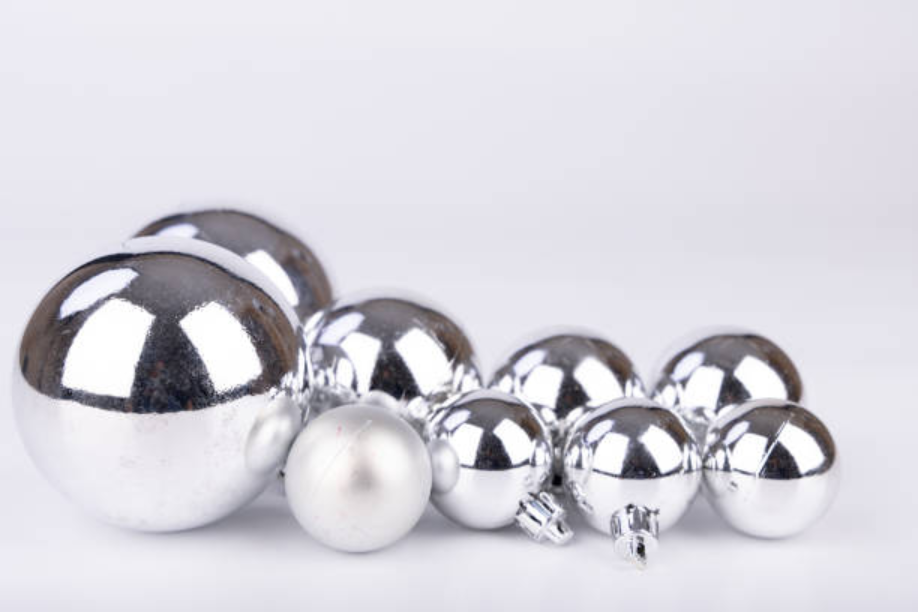
Aluminum spheres are indispensable components in modern engineering, valued for their unique balance of strength, corrosion resistance, and thermal conductivity. Depending on the specific requirements of a project, engineers must decide between solid options or a hollow aluminum sphere. Each type offers distinct benefits regarding weight efficiency and mechanical performance.
Selecting the appropriate aluminum balls requires a deep evaluation of material grades, load requirements, and fabrication methods. This guide explores the technical differences between these options to help manufacturers make informed decisions for aerospace, automotive, and industrial applications.
Understanding Aluminum Balls and Hollow Aluminum Spheres
Aluminum spheres are produced in two primary forms to meet diverse industrial needs. The choice between them often dictates the overall efficiency and longevity of a mechanical system. By understanding the core geometry and physical properties of each, engineers can better predict how these components will behave under environmental or mechanical stress.
What Are Solid Aluminum Balls?
Solid aluminum balls are formed from a single piece of alloy, providing a consistent density throughout the part. These components are the preferred choice when a high degree of structural integrity and dimensional stability is necessary. Because they lack internal voids, they offer a predictable response to heat and pressure.
Key features include:
- Uniform Mass Distribution: Essential for high-speed rotation or balancing applications.
- Superior Load-Bearing Capability: Capable of withstanding significant crushing forces.
- Excellent Machinability: Ideal for applications requiring custom threading, tapping, or precision drilling.
- High Resistance to Deformation: Maintains shape under extreme hydraulic or mechanical pressure.
What Are Hollow Aluminum Spheres?
A hollow aluminum sphere consists of a precision-engineered outer shell with a void at the center. These are specifically designed to minimize weight while maintaining a large surface area or outer diameter. They are often manufactured in halves and joined together through specialized welding or bonding techniques. To see how these components are customized for your project, learn more and view our services.
Key characteristics include:
- Significant Weight Reduction: Offers a massive reduction in mass compared to solid versions of the same diameter.
- High Material Efficiency: Uses less raw aluminum, which can be advantageous for large-scale projects.
- Enhanced Energy Absorption: The hollow structure can act as a crush zone in safety-critical applications.
- Structural Integration: Often easier to integrate into welded assemblies and frameworks.
Aluminum Material Grades Used in Spheres
The performance of an aluminum sphere is largely determined by the specific alloy used during production. Different alloys offer varying levels of hardness, corrosion resistance, and conductivity.
1100 H16 Aluminum Balls
The 1100 series is a commercially pure aluminum alloy. The “H16” designation refers to the strain-hardened temper, providing more strength than the annealed version while retaining excellent ductility.
- Properties: Minimum of 99% aluminum. It is famous for its resistance to atmospheric corrosion and high thermal and electrical conductivity.
- Usage: Used in chemical processing, food handling, and decorative elements where corrosion resistance is prioritized over heavy structural loads.
2017 T4 Aluminum
The 2000 series uses copper as the primary alloying element. The “T4” temper indicates the material has been solution heat-treated and naturally aged.
- Properties: High tensile strength and great fatigue resistance. It offers superior machinability, allowing for very tight tolerances.
- Usage: Aerospace fittings, high-strength rivets, and automotive components that must endure repetitive stress.
Comparison of Solid vs. Hollow Aluminum Balls
|
Feature |
Solid Aluminum Balls | Hollow Aluminum Spheres |
|
Weight |
Higher density and mass |
Significantly lower mass |
|
Strength |
Superior compressive strength |
Dependent on wall thickness |
|
Cost Efficiency |
High material usage per unit |
Lower material costs for large sizes |
|
Machinability |
Excellent for drilling/tapping |
Limited to surface modifications |
|
Welding |
Challenging (high heat sink) |
Ideal for structural welding |
| Energy Absorption | Low; transfers force |
High; absorbs impact energy |
Weight vs. Strength Considerations in Design
In engineering, the trade-off between mass and durability is a constant challenge. Selecting the right sphere depends on which of these factors is the priority for the end-use environment.
Prioritizing Weight Reduction
In aerospace and automotive manufacturing, reducing weight is the most effective way to improve fuel efficiency. Hollow aluminum spheres are preferred when the component needs to occupy a specific volume without adding unnecessary mass, such as in marine flotation devices or flight control weights.
Prioritizing Structural Strength
Solid aluminum balls are the standard when a component must endure high compressive loads. In heavy machinery or hydraulic valves, the solid core prevents collapse and ensures the ball retains its geometry over a long service life.
Welding and Manufacturing Uses
The manufacturing process itself often dictates the type of sphere required. Whether you are building a space frame or a bearing assembly, geometry is a key factor.
- Welding Applications: Hollow spheres are frequently used in welded structures. Thinner walls make them easier to join to They act as perfect nodes in space frames, reducing total weight.
- Precision Machining: If a project requires internal features like deep threads, solid balls are more reliable. They maintain dimensional accuracy during high-speed machining, whereas hollow spheres risk shell deformation.
Industries Benefiting From Aluminum Spheres
The versatility of aluminum alloys makes these spheres a staple across a wide range of high-performance sectors. By leveraging the specific advantages of either solid or hollow geometries, manufacturers can address the unique environmental and mechanical demands of their respective fields. From reducing fuel consumption in transit to enhancing the aesthetic and structural integrity of modern buildings, the following industries represent the primary users of these precision components.
Aerospace and Defense
The aerospace sector is perhaps the largest consumer of high-grade aluminum spheres. Weight is the primary enemy in flight, so hollow aluminum spheres are often utilized in structural supports, interior cabin components, and even as part of landing gear assemblies where impact absorption is needed. The use of 2017 T4 aluminum ensures that these parts can handle the vibration and pressure changes associated with high-altitude travel.
Automotive Engineering
Modern vehicles rely on aluminum to meet strict emissions and weight standards. Solid aluminum balls are common in fuel systems and brake valves, while hollow spheres might be found in advanced suspension components or as lightweight decorative trim. The comparison of solid vs. hollow aluminum balls is a daily conversation for automotive engineers looking to shave grams off a vehicle’s total weight.
Architectural and Structural Design
Architects use hollow aluminum spheres for large-scale installations and modern building facades. These spheres provide a futuristic aesthetic and can be used as structural connectors in glass atriums. Because they are lightweight, they do not require the massive support columns that heavier steel spheres would necessitate.
Industrial Manufacturing and Tooling
In general industrial settings, aluminum balls are used in everything from check valves to calibration equipment. Manufacturers often choose 1100 H16 aluminum balls for these roles when the environment is mildly corrosive but the mechanical loads are manageable. For more information on technical specifications and sizing, you can consult a detailed product catalog or technical data sheet.
Corrosion Resistance and Environmental Performance
Aluminum’s ability to form a protective oxide layer makes it ideal for outdoor use. Solid balls are advantageous because they have no internal cavities where moisture can trap. Conversely, hollow spheres must be perfectly sealed to prevent internal corrosion that could lead to undetected failure.
Quality Standards and Manufacturing Precision
Precision is everything. A ball that is out of round can cause valve leaks or bearing failure. At Abbott Ball, we adhere to strict protocols, verifying wall thickness in hollow spheres and alloy composition in solid balls to ensure they meet 2017 T4 or 1100 H16 standards. Our rigorous testing procedures and commitment to manufacturing excellence ensure peak performance in even the most demanding applications.
Optimize Your Project with Precision Aluminum Spheres
Choosing between solid aluminum balls and hollow aluminum spheres is a critical decision that directly impacts the performance, cost, and safety of your entire project. By carefully evaluating your requirements for strength, weight, and material grade, you can select the component that perfectly aligns with your application’s goals.
Whether you need the high compressive strength of solid 2017 T4 aluminum or the extreme weight savings of a hollow aluminum sphere, partnering with an industry leader ensures you receive products that meet the highest technical standards.
Ready to enhance your design efficiency and manufacturing precision?
Contact Us today to discuss your specific requirements or request a quote for high-performance aluminum spheres tailored to your industry.
Frequently Asked Questions
What is the primary benefit of using a hollow aluminum sphere in aerospace?
Hollow aluminum spheres significantly reduce weight, which improves fuel efficiency and increases payload capacity. They provide structural volume without the mass of solid metal.
When should I choose 1100 H16 aluminum balls over 2017 T4?
Choose 1100 H16 for applications needing excellent corrosion resistance or conductivity with low mechanical stress. Use 2017 T4 when higher strength and precision machining are required.
How does the choice between solid and hollow aluminum balls affect welding?
Hollow spheres weld more easily due to thinner walls and better heat control. Solid balls absorb heat quickly, making strong welds harder without specialized equipment.
Are aluminum spheres better than steel spheres for corrosion resistance?
In many environments, yes. Aluminum is lighter and forms a protective oxide layer, making it ideal for marine and outdoor applications where rust prevention matters.
Can I get custom sizes for aluminum balls?
Yes, manufacturers offer custom diameters and tight tolerances to meet specific industrial needs. A wide range of sizing options is available for precision applications.