
Benefits of Aluminum Balls for Lightweight Engineering and Aerospace Projects
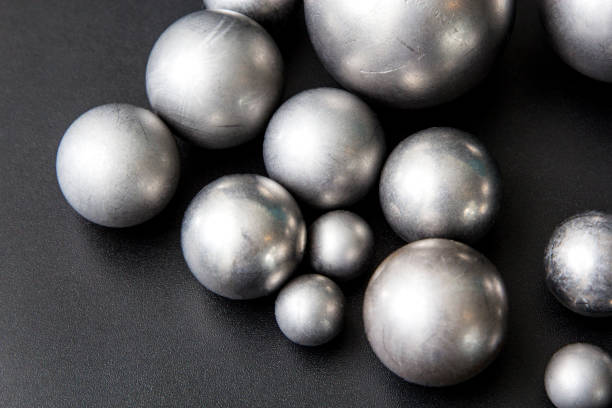
Aluminum balls are widely used in aerospace, automotive, robotics, and precision engineering due to their lightweight structure, corrosion resistance, and reliable performance in demanding environments. In lightweight engineering and aerospace applications, they help improve efficiency while maintaining strong structural performance.
In aerospace design, reducing weight is essential for improving fuel efficiency and overall system performance, which is why aluminum balls are often preferred. Their natural properties also support precision manufacturing, making them ideal for applications that require controlled motion and high accuracy. As a result, precision aluminum balls are commonly used in advanced engineering systems. Abbott Ball is associated with engineered spherical components used in aerospace and industrial applications.
What Are Aluminum Balls in Engineering?
Aluminum balls are spherical components manufactured using high-grade aluminium alloys. These components are engineered to achieve precise dimensional tolerances, ensuring consistent performance in mechanical and aerospace systems. They are widely used across industries such as aerospace engineering, robotics, automotive systems, and scientific instrumentation.
These components are designed not only for structural performance but also for motion efficiency. Because they reduce friction and system weight, they are often used in assemblies where smooth mechanical interaction is essential. Their lightweight nature makes them especially valuable in aerospace engineering, where every gram matters.
Understanding the structure of aluminium balls helps engineers appreciate their role in improving system efficiency. Their spherical geometry allows even load distribution, which supports smoother mechanical movement and reduces stress on connected components.
Key characteristics of aluminum balls
- Lightweight construction reduces overall system mass
- Smooth surface finish minimises friction during motion
- High corrosion resistance in controlled environments
- Excellent machinability supports precision manufacturing
- Suitable for dynamic and rotating mechanical systems
These properties make aluminum balls highly reliable in both standard and advanced engineering applications.
Importance of Aluminum Balls in Lightweight Engineering
Lightweight engineering focuses on designing systems that reduce weight without compromising strength or performance. This approach is widely used in aerospace, automotive, and robotics industries where efficiency plays a critical role. Aluminum balls are an important part of this strategy because they provide structural support while significantly reducing system mass.
As industries continue to prioritise energy efficiency and performance optimisation, aluminium components have become a practical solution for reducing mechanical load while maintaining system integrity.
Engineering advantages of aluminum balls
- Reduced overall structural weight in mechanical systems
- Improved efficiency in moving assemblies
- Lower energy consumption during operation
- Enhanced responsiveness in mechanical systems
- Reduced wear on adjacent components
Because aluminium is naturally lightweight, it allows engineers to design systems that operate efficiently without unnecessary bulk or added stress.
Role of Aluminum Balls in Aerospace Projects
In aerospace engineering, performance and weight reduction are closely connected. Even minor improvements in material selection can have a significant impact on aircraft efficiency and operational cost. As a result, precision aluminum balls are frequently used in aerospace systems where controlled motion and lightweight design are essential.
These components are carefully engineered to meet strict aerospace standards, ensuring that they perform consistently under extreme operational conditions such as vibration, pressure variation, and temperature changes.
Aerospace applications include
- Aircraft control and balancing systems
- Navigation and avionics instruments
- Vibration damping mechanisms
- Calibration systems in flight instruments
- Lightweight mechanical linkages
Because aerospace systems must remain reliable under constant stress, material consistency and precision manufacturing are essential requirements.
Why Precision Matters in Aluminum Ball Manufacturing
The effectiveness of precision aluminum balls depends on manufacturing accuracy. Even small variations in size, roundness, or surface finish can influence performance in high-speed or high-precision systems. Therefore, strict manufacturing controls are applied throughout production.
Precision manufacturing ensures that each component delivers consistent performance, which is especially important in aerospace and engineering systems where reliability is critical.
Manufacturing process steps
- Selection of high-quality aluminium alloys for consistency
- Cold forming or precision machining for shaping
- Grinding processes for dimensional accuracy
- Polishing for smooth surface finish
- Heat treatment for improved stability and durability
Each step ensures that the final product meets strict engineering requirements and performs reliably under operational stress.
Advantages of Metal Ball Components in Engineering Systems
Metal ball components are widely used in mechanical systems because they support smooth motion, reduce friction, and enhance efficiency. Aluminium variants are particularly valued for their ability to combine lightweight performance with structural reliability.
These components are often chosen in systems where reducing inertia improves responsiveness and overall mechanical control.
Key benefits of metal ball components
- Improved mechanical efficiency in motion systems
- Reduced friction between interacting parts
- High adaptability across multiple industries
- Strong resistance to environmental and mechanical stress
- Compatibility with a wide range of engineering materials
These advantages make metal spherical components essential in modern engineering design and industrial systems.
Comparison of Aluminum Balls with Other Materials
Material selection plays an important role in engineering design. The table below compares aluminium with other commonly used materials to highlight its advantages in lightweight applications.
|
Material Type |
Weight | Strength | Corrosion Resistance |
Common Applications |
|---|---|---|---|---|
|
Aluminium |
Low | Moderate | High |
Aerospace, precision systems |
|
Steel |
High | High | Moderate |
Heavy machinery |
|
Stainless Steel |
High | Very high | Very high |
Medical, marine systems |
|
Plastic Polymers |
Very low | Low | High |
Light-duty applications |
This comparison clearly shows why aluminium is widely preferred in aerospace and lightweight engineering projects where efficiency is essential.
Applications of Aluminum Balls in Modern Industries
Aluminum balls are used in a wide range of industries beyond aerospace due to their versatility and performance benefits. Their ability to support smooth mechanical motion makes them suitable for both precision systems and general engineering applications.
Their adaptability allows engineers to integrate them into diverse systems where reliability and weight efficiency are both important.
Common applications include
- Aerospace control and structural systems
- Automotive balancing and motion systems
- Robotics and automation equipment
- Scientific and measurement instruments
- Lightweight mechanical assemblies
Because of their consistent performance, aluminium spherical components are widely used in advanced engineering designs across multiple industries.
Manufacturing Standards and Quality Control
To ensure consistent performance, aluminum balls undergo strict quality control procedures during manufacturing. These procedures are essential for maintaining dimensional accuracy and structural integrity.
Quality control is particularly important in aerospace and precision engineering, where even minor defects can affect system reliability.
Quality assurance checks include
- Dimensional accuracy measurement
- Surface roughness testing
- Sphericity inspection
- Material composition verification
- Mechanical stress testing
These quality checks ensure that each component meets global engineering standards and performs reliably in demanding environments.
Performance Benefits in Engineering Systems
Aluminium components offer several performance advantages that make them ideal for modern engineering applications. Their lightweight nature contributes significantly to improving overall system efficiency.
As industries continue to focus on sustainability and performance optimisation, aluminium components are becoming increasingly important.
Key performance benefits
- Improved mechanical motion efficiency
- Reduced friction in moving systems
- Lower energy consumption during operation
- Enhanced system balance and stability
- Extended operational lifespan of components
These benefits help engineers design systems that are more efficient, reliable, and cost-effective in long-term operation.
Role of Abbott Ball in Engineering Applications
Abbott Ball is associated with the production of engineered spherical components used across various industrial sectors. Their expertise supports applications requiring precision, consistency, and material reliability.
Reliable manufacturing partners play a crucial role in ensuring that precision components meet the strict requirements of modern engineering industries.
Industry application areas
- Aerospace engineering systems
- Automotive mechanical systems
- Industrial machinery components
- Precision instrumentation
- Mechanical assemblies and devices
This wide range of applications highlights the importance of high-quality spherical component manufacturing in global engineering industries.
Get in Touch for Precision Engineering Solutions
Aluminum balls play an important role in modern lightweight engineering and aerospace projects, offering an effective balance of low weight, corrosion resistance, and precision manufacturing. These qualities make them highly suitable for advanced mechanical systems used in aerospace and industrial applications. By using reliable metal ball components, engineers can improve system performance, reduce mechanical load, and achieve long-term operational stability.
To learn more about engineered spherical solutions and how they can support your specific engineering needs, feel free to contact us and connect with our team for further assistance in selecting the right precision components for your application.
Frequently Asked Questions
1. What are aluminum balls used for in engineering?
Aluminum balls are used in aerospace, automotive, and industrial systems where lightweight and precise components are required for smooth mechanical performance and efficiency.
2. Why are aluminum balls important in aerospace projects?
They reduce overall system weight, improve fuel efficiency, and enhance mechanical stability in aircraft systems and navigation instruments.
3. What are precision aluminum balls?
Precision aluminum balls are manufactured to strict tolerances to ensure accurate size, shape, and surface finish, making them suitable for high-performance engineering systems.
4. How do metal ball components improve engineering systems?
Metal ball components improve motion efficiency, reduce friction, and enhance durability in mechanical systems used across various industries.
5. Where are aluminum balls commonly used?
They are commonly used in aerospace systems, robotics, automotive engineering, scientific instruments, and lightweight mechanical assemblies.