
How Solid Gold Balls Are Used in Electronics, Laboratory Equipment, and Precision Devices
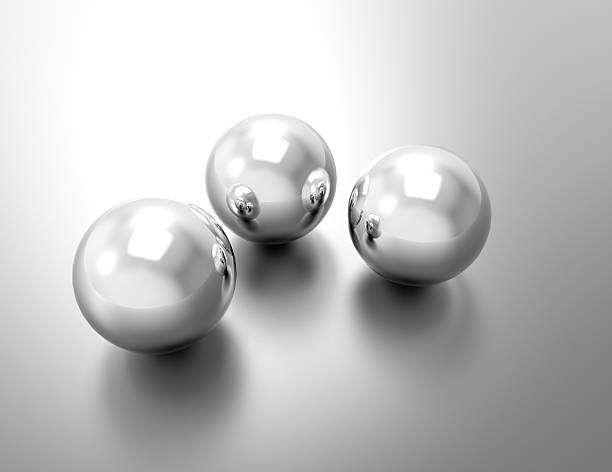
Solid gold balls are widely used in advanced industries that require exceptional conductivity, corrosion resistance, and precision performance. From electronics manufacturing and laboratory equipment to aerospace systems and medical technology, these components support reliable operation in highly sensitive applications where accuracy and durability are essential. Their superior electrical properties and resistance to oxidation make them ideal for precision instruments, semiconductor assemblies, testing equipment, and specialty mechanical systems.
As industries continue to demand smaller, more efficient, and highly reliable components, the need for high-quality solid gold balls continues to grow. These precision metal balls and specialty ball components are commonly used in applications that require consistent electrical performance, long-term stability, and tight manufacturing tolerances in demanding operating environments.
What Are Solid Gold Balls?
Solid gold balls are precision spherical components manufactured entirely or primarily from gold or gold alloys. These highly specialized components are designed for applications requiring superior conductivity, chemical stability, and dimensional accuracy.
Manufacturers produce solid gold balls in a variety of sizes, tolerances, and purity levels depending on the intended application. They are commonly used in:
- Semiconductor manufacturing
- Electrical connectors
- Laboratory instruments
- Medical devices
- Aerospace systems
- Precision sensors
Gold remains one of the most valuable engineering materials because it offers several unique performance benefits, including excellent conductivity and resistance to corrosion.
Common Materials Used in Gold Ball Manufacturing
Depending on the application, manufacturers may use:
- Pure gold
- Gold alloys
- Gold-plated specialty metals
- High-purity conductive materials
The material selection depends on environmental exposure, conductivity requirements, wear resistance, and operating conditions.
Why Solid Gold Balls Are Important in Electronics
Electronics manufacturers rely heavily on solid gold balls because electrical systems require highly conductive and corrosion-resistant materials to maintain reliable performance over time.
Exceptional Electrical Conductivity
Gold is one of the best conductive metals available for electrical applications. Solid gold balls help ensure efficient signal transmission with minimal electrical resistance.
This makes them ideal for:
- Microelectronic assemblies
- Circuit board connections
- Semiconductor packaging
- High-frequency electronic systems
In precision electronics, even minor conductivity losses can impact overall device performance. Gold components help reduce those risks.
Superior Corrosion Resistance
Unlike many other metals, gold does not easily oxidize or corrode. This property allows solid gold balls to maintain long-term electrical stability even in demanding environments.
Applications exposed to:
- Moisture
- Chemicals
- Temperature fluctuations
- High humidity
often rely on gold components for consistent performance and reliability.
Reliable Performance in Miniaturized Devices
Modern electronics continue becoming smaller and more complex. Solid gold balls support miniaturization by providing precise, compact conductive contact points without sacrificing performance.
This is especially important in:
- Smartphones
- Wearable devices
- Semiconductor chips
- Micro-sensors
- Precision testing equipment
Applications of Solid Gold Balls in Laboratory Equipment
Laboratory environments require highly accurate and contamination-resistant components. Solid gold balls are commonly used in scientific equipment because of their chemical stability and precision manufacturing.
Analytical Instruments
Precision laboratory instruments often use solid gold balls in sensitive measurement systems where conductivity and accuracy are critical.
Applications include:
- Spectroscopy equipment
- Chromatography systems
- Precision testing instruments
- Calibration devices
Gold components help maintain consistent readings and minimize contamination risks.
Chemical Resistance in Laboratory Environments
Many laboratories work with aggressive chemicals and corrosive substances. Gold offers excellent chemical resistance, making solid gold balls suitable for exposure to harsh testing conditions.
Their resistance to oxidation also helps preserve long-term equipment performance.
Precision Motion Systems
Laboratory devices frequently require highly controlled mechanical movement. Precision metal balls made from gold provide smooth motion, low friction, and excellent dimensional consistency in delicate equipment assemblies.
How Precision Devices Use Solid Gold Balls
Precision devices depend on highly accurate specialty ball components to maintain performance and reliability.
Medical Technology Applications
Medical equipment manufacturers use solid gold balls in devices requiring exceptional cleanliness, conductivity, and corrosion resistance.
Common applications include:
- Diagnostic equipment
- Implantable devices
- Surgical instruments
- Medical sensors
Because gold is biocompatible and chemically stable, it performs well in sensitive medical environments.
Aerospace and Defense Systems
Aerospace systems demand components capable of operating under extreme conditions. Solid gold balls support reliable electrical performance in:
- Satellite systems
- Navigation equipment
- Aerospace sensors
- Defense communication systems
Gold’s resistance to corrosion and temperature fluctuations helps improve system reliability in critical applications.
Precision Sensors and Measurement Devices
Many advanced sensors use specialty ball components to maintain signal integrity and mechanical precision.
Applications include:
- Pressure sensors
- Optical systems
- Scientific instrumentation
- High-precision calibration devices
Solid gold balls contribute to improved sensitivity and measurement accuracy.
Key Advantages of Solid Gold Balls
Solid gold balls provide several important benefits that make them valuable in advanced industrial applications. Learn more about precision ball manufacturing and specialty component solutions designed for high-performance engineering environments.
Excellent Conductivity
Gold delivers highly efficient electrical conductivity for reliable signal transfer and reduced resistance.
Outstanding Corrosion Resistance
Gold resists oxidation and chemical degradation, helping components maintain long-term performance.
Precision Manufacturing
Manufacturers produce solid gold balls with tight tolerances for highly specialized applications requiring exact dimensional accuracy.
Long Service Life
Because gold resists corrosion and wear, these components often last longer than standard metal alternatives.
Compatibility with Sensitive Applications
Gold performs well in medical, laboratory, aerospace, and semiconductor environments where contamination resistance is essential.
Manufacturing Process of Solid Gold Balls
Producing precision solid gold balls requires advanced manufacturing techniques and strict quality control procedures.
Material Selection
Manufacturers carefully select high-purity gold materials based on conductivity, durability, and application requirements.
Precision Forming
The gold material is shaped into spherical form using specialized machining, grinding, or forming processes.
Surface Finishing
Polishing and finishing processes improve smoothness, conductivity, and dimensional consistency.
Quality Inspection
Manufacturers inspect solid gold balls using advanced testing methods to ensure:
- Accurate dimensions
- Surface quality
- Roundness
- Conductivity standards
Strict quality control helps ensure consistent performance across precision applications.
Learn more about precision manufacturing processes and specialty ball component capabilities.
Industries That Depend on Solid Gold Balls
Solid gold balls support a wide range of industries requiring high-performance specialty components.
Common Applications of Solid Gold Balls
| Industry | Common Applications | Key Benefits |
|---|---|---|
|
Electronics |
Semiconductor packaging, connectors, microcircuits |
Excellent conductivity |
|
Laboratory Equipment |
Testing devices, analytical instruments |
Corrosion resistance and accuracy |
|
Medical Technology |
Sensors, diagnostic systems, implants |
Biocompatibility and reliability |
|
Aerospace |
Satellite systems, navigation equipment |
Durability in extreme environments |
|
Precision Manufacturing |
Calibration devices, measurement systems |
Tight tolerance performance |
Semiconductor Manufacturing
Semiconductor manufacturers use solid gold balls in wire bonding and microelectronic packaging systems because gold provides stable electrical performance.
Scientific Research
Research laboratories rely on precision metal balls to maintain accuracy in highly sensitive testing equipment.
Telecommunications
Communication systems use specialty ball components in high-frequency devices and precision signal transmission assemblies.
Choosing the Right Manufacturer for Solid Gold Balls
Selecting the right manufacturer is critical for ensuring component quality, consistency, and long-term performance. Trusted manufacturers like Abbott Ball provide precision-engineered solid gold balls designed to meet the demanding requirements of electronics, laboratory equipment, and precision device applications.
Precision Manufacturing Capabilities
A reliable manufacturer should offer:
- Tight tolerance production
- Advanced machining capabilities
- Material expertise
- Precision finishing processes
Customization Options
Many applications require custom specialty ball components with specific:
- Sizes
- Material compositions
- Surface finishes
- Tolerance levels
Quality Control Standards
Manufacturers should maintain strict inspection procedures and quality assurance systems to ensure consistent performance.
Engineering Support
Experienced suppliers can help optimize component design and recommend suitable material options for specialized applications.
Future Trends in Solid Gold Ball Applications
As technology continues evolving, demand for solid gold balls is expected to grow across multiple advanced industries.
Increased Miniaturization
Smaller electronic devices require compact conductive components capable of maintaining high performance in limited spaces.
Advanced Medical Technology
Medical innovations continue driving demand for biocompatible precision metal balls used in sensors and implantable devices.
High-Performance Electronics
Emerging technologies such as AI hardware, advanced computing systems, and precision communication devices require highly reliable conductive materials.
Expanded Aerospace Applications
Modern aerospace systems increasingly rely on specialty ball components capable of operating in extreme conditions with long-term reliability.
Why Choose a Trusted Source for Specialty Ball Components
An experienced manufacturer plays an important role in producing precision metal balls and specialty ball components for demanding industrial applications. Industries that require exceptional accuracy, material quality, and manufacturing consistency depend on reliable suppliers to meet strict performance standards.
Customers look for manufacturers that offer:
- Precision manufacturing expertise
- High-quality specialty materials
- Tight tolerance capabilities
- Custom engineering support
- Reliable product consistency
Whether applications involve solid gold balls for electronics, laboratory systems, or precision devices, choosing a trusted manufacturer helps ensure high-performance solutions tailored to specialized industry requirements.
Get High-Quality Solid Gold Ball Solutions for Precision Applications
Solid gold balls are essential for applications that require exceptional conductivity, corrosion resistance, and precision performance. From electronics and laboratory equipment to aerospace and medical devices, these specialty ball components help ensure reliable operation in highly demanding environments.
If you are looking for high-quality solid gold balls or custom precision metal balls for your application, our team is ready to help. We provide precision-engineered specialty ball components tailored to your exact requirements. Contact us today to discuss your project specifications and discover the right solution for your industry needs.
Frequently Asked Questions
What are solid gold balls used for?
Solid gold balls are commonly used in electronics, laboratory equipment, medical devices, aerospace systems, and precision instruments that require high conductivity and corrosion resistance.
Why is gold used in precision electronic components?
Gold offers excellent electrical conductivity, corrosion resistance, and long-term reliability, making it ideal for sensitive electronic applications.
Are solid gold balls corrosion resistant?
Yes. Gold naturally resists oxidation and corrosion, which helps maintain stable performance in harsh environments.
Can solid gold balls be customized?
Yes. Manufacturers can produce custom solid gold balls in various sizes, tolerances, materials, and finishes to meet specific application requirements.
What industries use precision metal balls?
Industries such as aerospace, electronics, medical technology, scientific research, and telecommunications commonly use precision metal balls.
Does Abbott Ball manufacture specialty ball components?
Yes. Abbott Ball manufactures precision specialty ball components, including solid gold balls designed for advanced industrial and scientific applications.