
Solid Aluminum Balls: Why Are They Used in Lightweight Engineering?
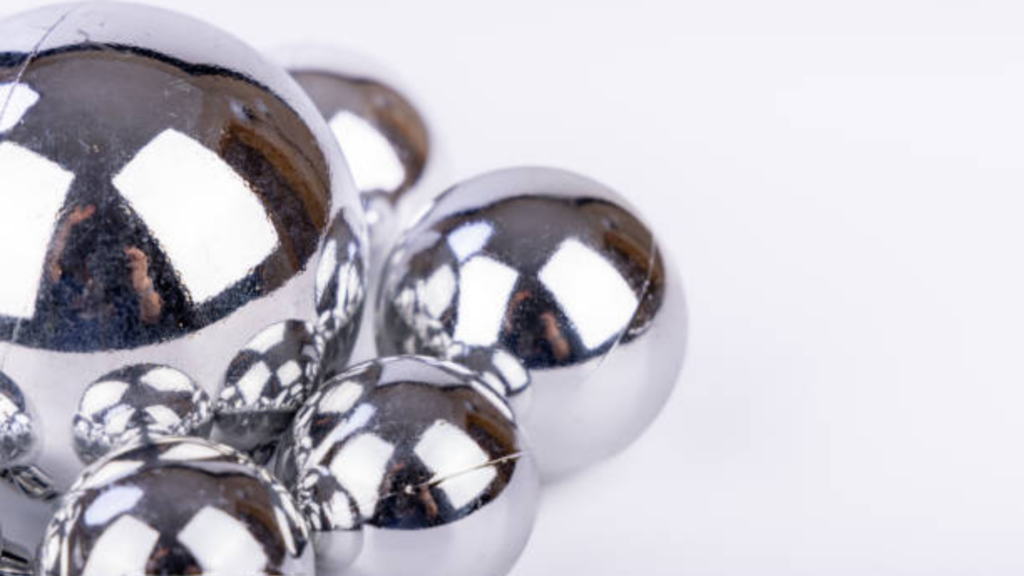
Lightweight engineering has become a critical focus across industries ranging from aerospace and automotive manufacturing to robotics and industrial equipment. Engineers continuously seek materials and components that deliver strength, durability, and performance without adding unnecessary weight. Among the many solutions available today, solid aluminum balls have emerged as a valuable component in numerous engineering applications.
As a trusted manufacturer in precision ball solutions, Abbott Ball understands the growing demand for high-quality aluminum components that support modern engineering requirements. Whether used in mechanical systems, testing equipment, specialty manufacturing, or custom industrial applications, aluminum balls offer a unique combination of strength, corrosion resistance, and lightweight performance.
In this article, we’ll explore why solid aluminum balls are widely used in lightweight engineering, their benefits, applications, and how they compare to alternative spherical components.
What Are Solid Aluminum Balls?
Solid aluminum balls are precision-engineered spherical components manufactured from high-quality aluminum alloys. Unlike hollow spheres, these balls are completely solid throughout their structure, providing greater durability and load-bearing capabilities while still maintaining a relatively lightweight profile.
These components are available in various diameters, finishes, and aluminum grades to meet specific engineering requirements. Their versatility makes them suitable for industrial, scientific, decorative, and mechanical applications.
Key Characteristics of Solid Aluminum Balls
Before understanding their engineering benefits, it’s important to recognize the properties that make these components unique:
- Lightweight compared to steel and other metals
- Excellent corrosion resistance
- High strength-to-weight ratio
- Non-magnetic properties
- Good thermal conductivity
- Easy machinability and customization
- Attractive surface finish
- Recyclable and environmentally friendly
These characteristics allow aluminum balls to serve a wide range of industries seeking efficient and durable solutions.
Why Lightweight Engineering Matters
Modern engineering is increasingly focused on reducing weight without compromising performance. Every pound removed from a component or assembly can contribute to improved efficiency, reduced operating costs, and enhanced functionality.
Lightweight engineering plays a significant role in industries where performance and efficiency are directly linked to overall system weight.
Benefits of Lightweight Engineering
Reducing component weight can provide numerous advantages:
- Improved fuel efficiency in vehicles
- Enhanced aircraft performance
- Lower transportation costs
- Reduced energy consumption
- Better system responsiveness
- Easier installation and maintenance
- Increased payload capacity
Because of these benefits, engineers often select materials like aluminum whenever weight reduction is a priority.
The Advantages of Solid Aluminum Balls in Engineering
Solid aluminum balls provide several engineering advantages that make them a preferred choice for many applications.
1. Excellent Strength-to-Weight Ratio
One of the primary reasons engineers choose solid aluminum balls is their impressive strength-to-weight ratio.
Although aluminum is significantly lighter than steel, it still offers substantial mechanical strength. This enables manufacturers to reduce component weight while maintaining structural integrity.
Applications that benefit from this characteristic include:
- Aerospace systems
- Automotive assemblies
- Robotics equipment
- Motion control devices
- Industrial machinery
2. Superior Corrosion Resistance
Engineering components often operate in challenging environments where moisture, chemicals, and varying temperatures can cause deterioration.
Aluminum naturally forms a protective oxide layer that helps resist corrosion. As a result, solid aluminum balls can maintain performance and appearance even in demanding conditions.
Common environments where corrosion resistance is important include:
- Marine equipment
- Outdoor machinery
- Chemical processing facilities
- Food production systems
- Environmental testing equipment
3. Reduced System Weight
Weight reduction is often the primary objective of lightweight engineering projects.
Using solid aluminum balls instead of steel alternatives can significantly decrease overall assembly weight while preserving functionality.
This reduction supports:
- Improved operational efficiency
- Lower energy requirements
- Better equipment handling
- Reduced wear on supporting structures
4. Excellent Thermal Conductivity
Heat management is an essential consideration in many engineering systems.
Aluminum possesses high thermal conductivity, allowing heat to dissipate efficiently throughout a component. This property can contribute to improved performance and temperature regulation in specialized applications.
5. Non-Magnetic Properties
Certain engineering environments require materials that do not interfere with magnetic fields.
Since aluminum is non-magnetic, solid aluminum balls are ideal for:
- Electronic devices
- Scientific instruments
- Medical equipment
- Sensor systems
- Testing applications
Common Applications of Solid Aluminum Balls
The versatility of solid aluminum balls allows them to be used across numerous industries and engineering sectors.
Aerospace Engineering
Weight savings are critical in aerospace applications.
Aircraft manufacturers constantly seek components that reduce overall aircraft weight while maintaining safety and reliability.
Solid aluminum balls may be utilized in:
- Control mechanisms
- Testing systems
- Custom aerospace assemblies
- Specialized equipment components
Automotive Manufacturing
The automotive industry has embraced lightweight engineering to improve fuel efficiency and vehicle performance.
Aluminum balls can be incorporated into:
- Prototype assemblies
- Performance components
- Testing fixtures
- Custom engineering systems
Robotics and Automation
Modern robotic systems depend on lightweight materials to maximize speed, precision, and efficiency.
Benefits in robotics include:
- Faster movement
- Lower power consumption
- Reduced motor stress
- Enhanced responsiveness
Industrial Machinery
Industrial equipment often requires durable spherical components capable of operating under various conditions.
Applications include:
- Valve systems
- Mechanical assemblies
- Flow control equipment
- Specialized production machinery
Scientific Research and Testing
Laboratories and research facilities frequently use aluminum balls in testing and experimental environments.
Their consistency, durability, and lightweight properties make them suitable for:
- Impact testing
- Calibration equipment
- Measurement systems
- Research apparatus
Solid Aluminum Balls vs. Other Materials
Selecting the right material is essential for achieving optimal engineering performance.
Aluminum vs. Steel Balls
While steel balls are known for their strength, they are considerably heavier than aluminum.
Aluminum Ball Advantages
- Lower weight
- Better corrosion resistance
- Non-magnetic properties
- Easier machining
- Improved thermal conductivity
Steel Ball Advantages
- Higher hardness
- Greater load capacity
- Enhanced wear resistance
The choice depends on the specific requirements of the application.
Aluminum vs. Plastic Balls
Plastic balls are lightweight but often lack the durability required for industrial environments.
Solid aluminum balls offer:
- Greater strength
- Better heat resistance
- Improved dimensional stability
- Longer service life
Solid Aluminum Balls vs. Hollow Aluminum Spheres
Many engineers compare solid aluminum balls with hollow aluminum spheres when evaluating lightweight solutions.
Although both offer weight-saving benefits, they serve different purposes.
Advantages of Solid Aluminum Balls
Solid designs provide:
- Greater structural integrity
- Higher impact resistance
- Improved load-bearing capabilities
- Better durability in demanding environments
Advantages of Hollow Aluminum Spheres
Hollow aluminum spheres may be preferred when:
- Extreme weight reduction is necessary
- Decorative applications are involved
- Structural loads are minimal
For critical engineering applications, solid versions are typically the preferred choice.
Manufacturing Process of Aluminum Balls
Precision manufacturing is essential to ensure performance, consistency, and reliability.
Modern production methods involve several stages.
Material Selection
Manufacturers begin by selecting the appropriate aluminum alloy based on:
- Strength requirements
- Corrosion resistance needs
- Machining characteristics
- Industry specifications
Forming and Shaping
The raw material undergoes forming processes that create near-perfect spherical shapes.
Precision Grinding
Grinding operations help achieve:
- Tight dimensional tolerances
- Smooth surfaces
- Consistent sizing
Surface Finishing
Finishing processes enhance appearance and performance while preparing the balls for specific applications.
Quality Control
Rigorous inspections verify:
- Diameter accuracy
- Roundness
- Surface quality
- Material integrity
Sustainability Benefits of Aluminum Components
Environmental responsibility is becoming increasingly important in manufacturing and engineering.
Aluminum offers several sustainability advantages.
Highly Recyclable Material
Aluminum can be recycled repeatedly without losing its essential properties.
Benefits include:
- Reduced raw material consumption
- Lower energy requirements
- Reduced environmental impact
- Sustainable manufacturing practices
Lower Transportation Emissions
Because aluminum components weigh less than comparable steel products, transportation can become more efficient.
This contributes to:
- Lower fuel consumption
- Reduced shipping costs
- Smaller carbon footprint
Can Aluminum Foil Balls Replace Solid Aluminum Balls?
Some individuals searching online for an aluminum foil ball for sale may wonder whether foil balls can serve the same purpose as precision-engineered aluminum spheres.
The answer is generally no.
Key Differences
Solid aluminum balls provide:
- Consistent density
- Structural strength
- Precision dimensions
- Industrial-grade performance
An aluminum foil ball is primarily:
- Decorative
- Experimental
- Educational
- Non-structural
Engineering applications typically require professionally manufactured solid aluminum balls rather than improvised alternatives.
Factors to Consider When Choosing Aluminum Balls
Selecting the right aluminum ball requires careful consideration of application requirements.
Size and Diameter
Different systems require specific ball sizes to ensure proper functionality.
Aluminum Alloy Grade
Various alloys offer different levels of:
- Strength
- Corrosion resistance
- Machinability
- Durability
Surface Finish
The finish can influence:
- Appearance
- Friction characteristics
- Wear performance
- Application suitability
Environmental Conditions
Consider exposure to:
- Moisture
- Chemicals
- Temperature extremes
- Mechanical stress
Choosing the appropriate specifications helps maximize performance and longevity.
Future Trends in Lightweight Engineering
As industries continue to prioritize efficiency, lightweight engineering will remain a key focus area.
Emerging trends include:
- Advanced aerospace systems
- Electric vehicle development
- Robotics innovation
- Sustainable manufacturing
- High-performance industrial equipment
The demand for lightweight, durable, and versatile components like solid aluminum balls is expected to continue growing as engineers seek improved performance and energy efficiency.
Conclusion
Solid aluminum balls have become an essential component in lightweight engineering because they deliver an outstanding combination of strength, low weight, corrosion resistance, thermal performance, and versatility. Their ability to support demanding applications while reducing overall system weight makes them valuable across aerospace, automotive, robotics, industrial machinery, and scientific industries.
As engineering technologies continue to evolve, manufacturers such as Abbott Ball remain committed to supplying precision aluminum balls that meet the highest quality standards. Whether you’re evaluating solid aluminum balls, comparing them to hollow aluminum spheres, or researching specialized applications, choosing the right solution is critical to achieving long-term performance and reliability.
Contact us today to learn more about our precision aluminum ball solutions and how they can support your engineering requirements.
Frequently Asked Questions
What are solid aluminum balls used for?
Solid aluminum balls are commonly used in aerospace, automotive, industrial machinery, robotics, testing equipment, scientific research, and specialized engineering applications that require lightweight yet durable components.
Are aluminum balls lighter than steel balls?
Yes. Aluminum balls are significantly lighter than steel balls while still offering excellent strength and durability, making them ideal for lightweight engineering applications.
Do aluminum balls rust?
No. Aluminum does not rust like iron or steel. Instead, it forms a protective oxide layer that helps resist corrosion and environmental damage.
What is the difference between solid aluminum balls and hollow aluminum spheres?
Solid aluminum balls are completely filled and provide greater strength and impact resistance, while hollow aluminum spheres are lighter and often used for decorative or low-load applications.
Are aluminum balls magnetic?
No. Aluminum is a non-magnetic material, making aluminum balls suitable for electronic equipment, scientific instruments, and applications where magnetic interference must be avoided.
Can aluminum balls be customized?
Yes. Manufacturers can produce aluminum balls in various sizes, grades, finishes, and specifications to meet specific industrial and engineering requirements.
How durable are solid aluminum balls?
Solid aluminum balls are highly durable and resistant to corrosion, making them suitable for demanding industrial and engineering environments when properly selected for the application.