
Austenitic vs. Martensitic Stainless Steel Balls: Composition & Properties Compared
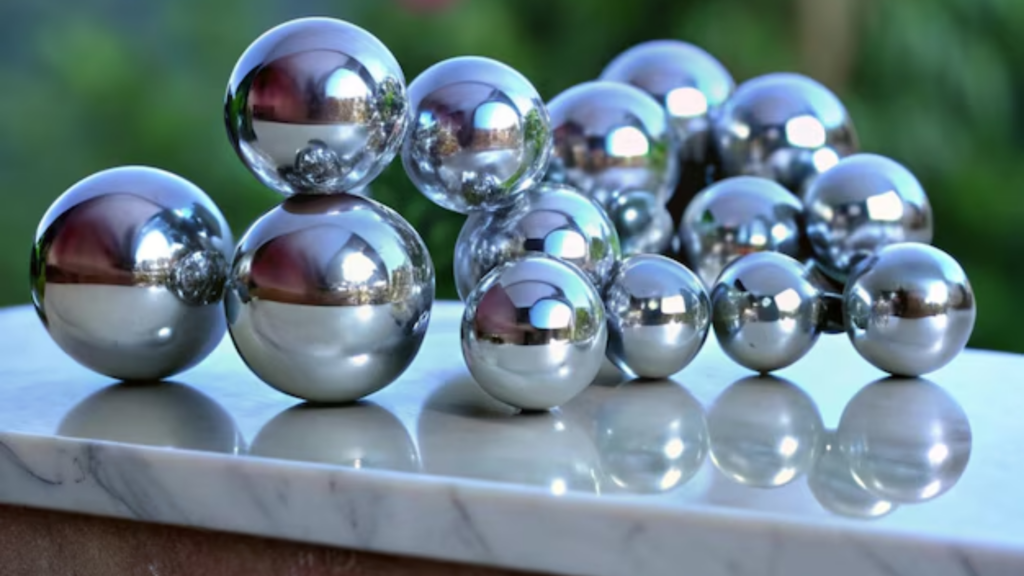
When selecting the right stainless steel material for industrial applications, understanding the differences between various grades is essential. Whether used in medical devices, aerospace components, automotive systems, or precision bearings, material selection directly impacts performance, durability, and cost. Abbott Ball has decades of experience producing precision ball products that meet demanding industry standards. This guide explores austenitic vs martensitic stainless steel and explains how each type performs in different applications.
Why Is Stainless Steel Preferred for Precision Ball Manufacturing?
Stainless steel remains one of the most widely used engineering materials because it offers an excellent balance of strength, corrosion resistance, durability, and appearance. These qualities make it ideal for manufacturing precision balls used across countless industries.
Unlike ordinary steel, stainless steel contains chromium, which forms a protective oxide layer on the surface. This layer helps prevent corrosion while maintaining long-term durability in challenging environments.
For stainless steel balls, choosing the proper grade ensures reliable performance under varying temperatures, loads, and environmental conditions.
What Are Austenitic Stainless Steel Balls?
Austenitic stainless steel represents the largest family of stainless steels. Common grades include 302, 304, and 316 stainless steel. These materials contain high chromium and nickel content, creating excellent corrosion resistance and outstanding toughness.
Austenitic stainless steel balls are generally non-magnetic in their annealed condition and cannot be hardened through heat treatment. Instead, they gain strength through cold working.
Their excellent corrosion resistance makes them suitable for environments exposed to moisture, chemicals, and food processing conditions.
Typical characteristics include:
- Exceptional corrosion resistance
- Excellent ductility and toughness
- Good weldability
- High resistance to oxidation
- Non-magnetic properties in most conditions
Because of these properties, austenitic grades are commonly selected when corrosion resistance is more important than maximum hardness.
What Are Martensitic Stainless Steel Balls?
Martensitic stainless steel differs significantly from austenitic grades. These steels contain higher carbon levels and can be heat treated to achieve exceptional hardness and wear resistance.
Popular martensitic grades include 420 and 440C stainless steel.
After heat treatment, martensitic stainless steel becomes significantly harder than austenitic grades, making it suitable for applications involving heavy loads, repeated impact, and abrasive environments.
These materials provide:
- Very high hardness
- Excellent wear resistance
- High strength
- Good fatigue resistance
- Moderate corrosion resistance
Although martensitic stainless steel offers lower corrosion resistance than austenitic grades, it performs exceptionally well where mechanical strength is the primary requirement.
Austenitic vs Martensitic Stainless Steel: Composition Compared
Understanding the chemical composition explains why these materials perform differently.
Austenitic stainless steel generally contains:
- Higher chromium content
- Significant nickel additions
- Lower carbon content
- Sometimes molybdenum for improved corrosion resistance
Martensitic stainless steel typically contains:
- Chromium for corrosion protection
- Higher carbon levels
- Little or no nickel
- Alloying elements that improve hardness
The increased carbon allows martensitic grades to respond to heat treatment, producing the high hardness required for demanding industrial applications.
How Do Their Mechanical Properties Compare?
Although both belong to the stainless steel family, their mechanical characteristics vary considerably.
Hardness
Martensitic stainless steel is substantially harder after heat treatment. Grades like 440C are among the hardest stainless steels used for precision balls.
Austenitic stainless steel remains comparatively softer but offers superior toughness.
Corrosion Resistance
Austenitic grades provide excellent resistance against rust, chemicals, moisture, and marine environments.
Martensitic grades resist corrosion reasonably well but require proper maintenance in highly corrosive settings.
Strength
Martensitic stainless steel delivers greater tensile strength and wear resistance, making it ideal for rolling contact applications.
Austenitic stainless steel emphasizes flexibility and durability rather than maximum strength.
Magnetic Properties
Most austenitic grades remain non-magnetic after annealing.
Martensitic stainless steels are magnetic because of their crystal structure.
Which Stainless Steel Balls Perform Better in Corrosive Environments?
Corrosion resistance often determines material selection.
Industries involving food processing, pharmaceuticals, marine equipment, laboratory instruments, and chemical processing generally favor austenitic stainless steel because it withstands aggressive environments without significant deterioration.
Its chromium-rich oxide layer continuously protects the surface from oxidation.
Martensitic grades can still perform well in mild environments but may experience surface corrosion under prolonged exposure to saltwater or strong chemicals.
Which Material Offers Better Wear Resistance?
Applications involving constant movement, rolling contact, or mechanical friction require exceptional wear resistance.
Martensitic stainless steel performs significantly better under these conditions because its hardened structure minimizes surface wear over extended operating cycles.
This makes it an excellent choice for:
- Precision bearings
- Industrial valves
- Pump components
- High-speed rotating equipment
- Measuring instruments
Where abrasion resistance is critical, martensitic stainless steel often becomes the preferred solution.
Common Applications for Austenitic Stainless Steel Balls
Austenitic grades are selected for industries where cleanliness and corrosion protection are essential.
Common applications include:
Medical equipment, pharmaceutical machinery, food processing systems, beverage production equipment, marine hardware, laboratory instruments, cosmetic manufacturing equipment, and chemical processing machinery.
These industries benefit from materials that maintain appearance while resisting corrosion throughout long service life.
Common Applications for Martensitic Stainless Steel Balls
Martensitic stainless steel is widely used where hardness and mechanical performance outweigh corrosion concerns.
Typical applications include automotive bearings, industrial bearings, precision valves, aerospace components, measuring devices, hydraulic systems, pumps, and high-load mechanical assemblies.
Its superior hardness helps reduce deformation during continuous operation.
Which Stainless Steel Grade Should You Choose?
The right material depends entirely on the operating environment and performance requirements.
If corrosion resistance is the highest priority, austenitic stainless steel usually provides the best long-term solution.
If high hardness, wear resistance, and strength are more important, martensitic stainless steel generally delivers superior mechanical performance.
Many manufacturers evaluate several factors before selecting a material, including operating temperature, chemical exposure, expected load, maintenance requirements, and product lifespan.
Choosing between austenitic vs martensitic stainless steel ultimately requires balancing corrosion protection against mechanical durability.
Choosing a Reliable Stainless Steel Balls Manufacturer
Material quality is only part of the equation. Working with an experienced stainless steel balls manufacturer ensures precision, consistency, and reliable performance.
A trusted manufacturer offers:
High-precision manufacturing processes, strict quality inspections, multiple stainless steel grades, custom sizes, industry certifications, and dependable technical support.
If you’re looking for stainless steel balls for sale, selecting a manufacturer with extensive engineering expertise helps ensure the right product for your specific application.
High-quality stainless steel balls reduce maintenance costs, improve equipment reliability, and deliver consistent long-term performance.
Conclusion
Selecting between austenitic and martensitic stainless steel depends on your application’s unique requirements. Austenitic grades provide outstanding corrosion resistance and toughness, while martensitic grades excel in hardness, wear resistance, and strength. Understanding these differences allows engineers and manufacturers to make informed decisions that improve product performance and longevity. Abbott Ball offers precision-engineered stainless steel ball solutions designed for demanding industrial applications with consistent quality and reliability.
Contact us today to learn more about our precision stainless steel ball products and find the ideal solution for your application.
Frequently Asked Questions
What is the main difference between austenitic and martensitic stainless steel?
The primary difference is that austenitic stainless steel offers superior corrosion resistance, while martensitic stainless steel provides higher hardness and wear resistance through heat treatment.
Which stainless steel is better for bearings?
Martensitic grades such as 440C are commonly preferred for bearing applications because of their exceptional hardness, strength, and fatigue resistance.
Are austenitic stainless steel balls magnetic?
In their annealed condition, most austenitic stainless steel balls are non-magnetic. However, cold working may introduce slight magnetic properties.
Which stainless steel offers better corrosion resistance?
Austenitic stainless steel generally provides better corrosion resistance, particularly in marine, food processing, and chemical environments.
Can martensitic stainless steel be heat treated?
Yes. Martensitic stainless steel is specifically designed to be heat treated, allowing it to achieve very high hardness and wear resistance.
How do I choose the right stainless steel balls?
Consider factors such as corrosion exposure, operating load, wear requirements, temperature, and application environment. Selecting the appropriate grade ensures better performance and longer service life.