
Chrome Steel Ball Weight Chart: Balls Per Pound by Size
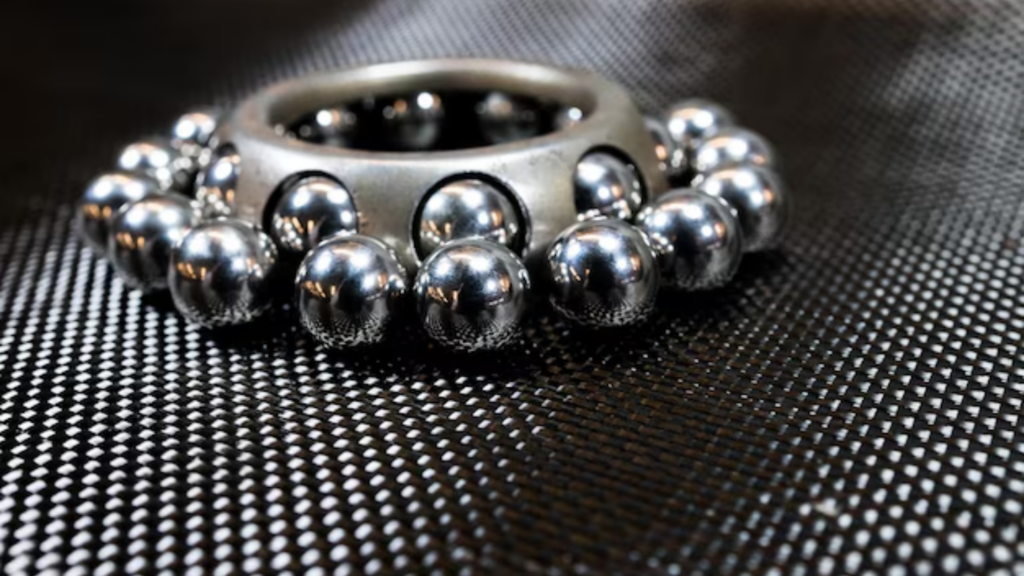
Selecting the correct steel ball size is essential for manufacturing, industrial equipment, precision engineering, and quality control. Whether you’re calculating shipping weight, planning inventory, or choosing the right ball for an application, a chrome steel ball weight chart makes the process much easier. Abbott Ball supplies precision steel balls that meet demanding industry standards, helping manufacturers achieve reliable performance across a wide range of applications.
Why Is a Chrome Steel Ball Weight Chart Important?
Knowing the weight of chrome steel balls is valuable for engineers, purchasing teams, warehouse managers, and manufacturers. Instead of weighing each batch manually, a standardized weight chart provides quick estimates for individual ball weight and the approximate number of balls per pound.
A reliable chart helps businesses:
- Estimate shipping weights
- Calculate inventory quantities
- Plan manufacturing requirements
- Improve purchasing accuracy
- Reduce material waste
- Simplify production planning
Because chrome steel balls are manufactured with tight tolerances, their weight remains highly consistent, making standard weight charts dependable for industrial use.
What Are Chrome Steel Balls?
Chrome steel balls are precision-ground steel spheres manufactured from high-carbon chromium steel, commonly AISI 52100. This material offers exceptional hardness, wear resistance, strength, and fatigue life, making it one of the most widely used materials for precision ball production.
Chrome steel balls are commonly found in:
- Ball bearings
- Automotive components
- Aerospace equipment
- Industrial machinery
- Pumps
- Valves
- Linear motion systems
- Medical equipment
- Precision instruments
Their combination of hardness and dimensional accuracy allows them to perform consistently even under heavy loads and high-speed rotation.
Chrome Steel Ball Weight Chart: Balls Per Pound by Size
The following chrome steel ball weight chart provides approximate values. Actual weight may vary slightly depending on manufacturing tolerances and material specifications.
| Ball Diameter | Approx. Weight Per Ball | Approx. Balls Per Pound |
|---|---|---|
| 1/16″ | 0.0010 lb | 960 |
| 3/32″ | 0.0033 lb | 300 |
| 1/8″ | 0.0079 lb | 126 |
| 5/32″ | 0.0154 lb | 65 |
| 3/16″ | 0.0267 lb | 37 |
| 7/32″ | 0.0424 lb | 24 |
| 1/4″ | 0.0635 lb | 16 |
| 5/16″ | 0.124 lb | 8 |
| 3/8″ | 0.214 lb | 5 |
| 7/16″ | 0.339 lb | 3 |
| 1/2″ | 0.508 lb | 2 |
These values provide quick reference estimates for purchasing, packaging, production planning, and inventory management.
How Is the Weight of a Steel Ball Calculated?
The weight of a steel ball depends primarily on its diameter and material density. Since chrome steel has a known density, manufacturers calculate the weight using the volume of a sphere multiplied by the material density.
The general calculation involves:
- Determining the sphere’s diameter
- Calculating the volume
- Multiplying by chrome steel density
- Converting the result into pounds or kilograms
Most manufacturers use standardized formulas and verified measurements to ensure consistency across production batches.
Why Ball Size Matters
Even a small increase in ball diameter creates a significant increase in weight. Since the volume of a sphere grows rapidly with diameter, larger balls become considerably heavier.
For example, doubling the diameter does not simply double the weight. Instead, the weight increases much faster because the volume increases proportionally to the cube of the diameter.
This is why engineers always refer to a chrome steel ball weight chart rather than estimating weight based solely on diameter.
Industries That Use Chrome Steel Balls
Chrome steel balls serve numerous industries where precision and durability are essential.
Automotive Manufacturing
Automotive manufacturers use chrome steel balls inside wheel bearings, transmissions, steering systems, and various rotating assemblies where long service life is critical.
Industrial Bearings
Precision bearings remain one of the largest applications for chrome steel balls. Their hardness minimizes wear while maintaining smooth rotation under continuous loads.
Aerospace Engineering
Aircraft components require materials capable of maintaining dimensional stability under demanding operating conditions. Chrome steel balls meet many of these performance requirements.
Medical Equipment
Medical devices often rely on precision motion systems where accurately manufactured steel balls contribute to consistent mechanical performance.
Manufacturing Equipment
Factory automation systems, conveyors, robotic assemblies, and machine tools all utilize precision steel balls for efficient motion and reliable operation.
Chrome Steel vs. Carbon Steel Balls
Although they appear similar, chrome steel and carbon steel balls are designed for different applications.
Chrome steel contains chromium, providing higher hardness, better wear resistance, and greater fatigue strength. It is typically selected for demanding precision applications.
In comparison, carbon balls are often chosen for less demanding industrial uses where corrosion resistance and extreme hardness are not primary requirements. Their lower manufacturing cost makes them suitable for light-duty applications.
Choosing between these materials depends on operating environment, expected load, durability requirements, and budget.
Applications of Carbon Steel Ball Bearings
Many industrial systems also utilize carbon steel ball bearings for general-purpose mechanical assemblies. These bearings perform well in equipment that does not require the extreme hardness of chrome steel.
Typical applications include:
- Furniture hardware
- Light machinery
- Agricultural equipment
- Conveyor systems
- Basic industrial tools
While chrome steel remains the preferred choice for high-performance environments, carbon steel bearings continue to provide dependable service in many everyday applications.
Understanding Carbon Steel Bearing Balls
Manufacturers also produce carbon steel bearing balls for numerous commercial and industrial products. These balls are commonly heat treated to improve durability while remaining more economical than chrome steel alternatives.
Carbon steel bearing balls are often used in products where moderate strength, reasonable wear resistance, and affordability are the primary priorities.
Selecting the proper material ultimately depends on application requirements rather than simply choosing the hardest available option.
What Is a Carbon Steel Sphere?
A carbon steel sphere is a precision-manufactured spherical component produced from carbon steel rather than chrome alloy steel. These spheres are used across manufacturing, decorative fabrication, valve assemblies, and numerous industrial products.
Depending on the intended use, carbon steel spheres may be polished, heat treated, coated, or plated to improve corrosion resistance and overall service life.
Tips for Selecting the Right Steel Ball Size
Selecting the correct steel ball involves more than simply matching diameter. Engineers typically evaluate operating conditions before making a final decision.
Important considerations include load capacity, rotational speed, operating temperature, environmental conditions, dimensional tolerance, material hardness, corrosion exposure, and expected service life.
Reviewing these factors alongside a weight chart ensures the selected ball meets both performance and logistical requirements.
Conclusion
A reliable chrome steel ball weight chart simplifies purchasing, inventory planning, engineering calculations, and manufacturing operations. By understanding the relationship between ball diameter and weight, businesses can improve efficiency while selecting the right components for every application. Whether your project requires precision chrome steel balls or guidance on related materials such as carbon steel products, Abbott Ball offers decades of expertise in precision ball manufacturing.
Contact us today to learn more about our precision steel ball solutions, request technical assistance, or find the right ball size for your specific application.
Frequently Asked Questions
How many chrome steel balls are in one pound?
The number depends entirely on the diameter. Smaller balls may contain several hundred pieces per pound, while larger balls may contain only two to five balls per pound.
Why is a chrome steel ball weight chart useful?
A weight chart helps estimate inventory, shipping, purchasing quantities, packaging requirements, and production planning without individually weighing every ball.
Are chrome steel balls stronger than carbon steel balls?
Yes. Chrome steel generally offers greater hardness, improved wear resistance, and better fatigue strength than standard carbon steel, making it suitable for precision bearing applications.
What industries commonly use chrome steel balls?
Chrome steel balls are widely used in automotive manufacturing, aerospace, industrial machinery, medical devices, pumps, valves, robotics, and precision bearings.
Can ball weight vary between manufacturers?
Minor differences may occur because of manufacturing tolerances, material composition, and finishing processes. However, reputable manufacturers maintain strict quality standards to ensure highly consistent weights.