
Industrial Applications of Drilled Steel Ball Components in Mechanical Assemblies
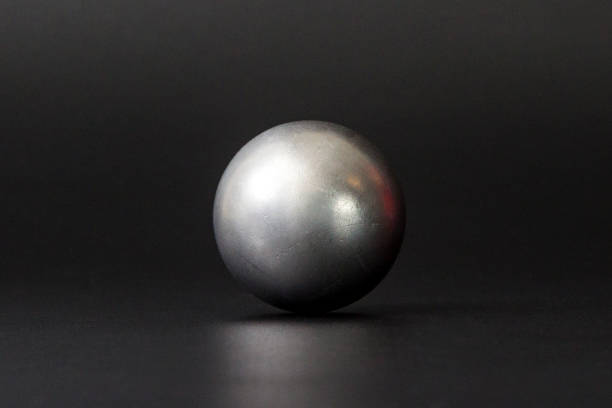
A drilled steel ball is a precision-engineered component widely used in modern mechanical assemblies where accuracy, strength, and controlled movement are essential. These components are designed to support complex engineering functions across industries such as automotive, aerospace, robotics, and fluid control systems. Their ability to maintain stability under demanding operating conditions makes them a dependable choice for high-performance applications.
In many industrial systems, a drilled steel ball plays a critical role in ensuring smooth operation and consistent mechanical performance. It is specifically manufactured to meet strict tolerances, allowing it to function effectively in environments where even slight deviations can affect overall system efficiency. This makes it an important element in advanced engineering designs that require both durability and precision.
Understanding Drilled Steel Ball Components
These engineered spherical components are designed for precision-focused mechanical systems. Unlike standard metal spheres, they feature carefully machined holes that allow integration into systems requiring controlled movement, alignment, or fluid transfer.
In modern engineering applications, their role extends beyond basic mechanical support. They are used to enhance system stability, regulate flow, and improve structural performance in complex assemblies.
Their popularity in industrial systems comes from their ability to deliver consistent performance even under demanding operating conditions.
These components are widely used because they offer:
- High structural integrity
- Precision alignment capability
- Controlled fluid or air passage
- Enhanced mechanical adaptability
In mechanical assemblies, even minor dimensional variations can influence performance. As a result, these components are manufactured with tight tolerances to ensure reliability and consistency.
Manufacturing Process of Precision Drilled Steel Balls
The production process involves advanced engineering techniques that demand precision at every stage. From raw material selection to final inspection, each step ensures compliance with strict industrial standards.
Companies like Abbott Ball maintain controlled manufacturing environments to ensure durability, consistency, and accuracy across all production batches. This directly impacts performance in real-world applications.
Material Selection and Engineering Standards
Material choice is one of the most important factors in determining performance, durability, and resistance to wear or corrosion. Each material provides unique mechanical properties suited for specific applications.
Material selection also affects how the component performs under pressure, temperature changes, and continuous mechanical stress.
|
Material Type |
Key Advantage |
Common Use Case |
|---|---|---|
|
Stainless Steel |
Corrosion resistance |
Medical and marine systems |
|
Carbon Steel |
Strength and durability |
Industrial machinery |
|
Chrome Steel |
High wear resistance |
Automotive systems |
|
Alloy Steel |
Balanced performance |
Aerospace components |
Proper selection ensures that each spherical precision component performs reliably under varying environmental conditions.
Precision Drilling Techniques
Drilling is a highly sensitive stage in production that requires advanced CNC machining or laser-based systems. Accuracy is critical because even small deviations can affect system performance in mechanical assemblies.
Modern manufacturing processes focus on eliminating errors and maintaining consistency across every unit produced.
Key steps include:
- Computer-controlled drilling alignment
- High-speed machining operations
- Burr-free finishing processes
- Dimensional calibration checks
These processes ensure structural integrity and functional reliability throughout the component’s lifecycle.
Quality Testing and Inspection
Quality control is essential before components are deployed in industrial systems. These parts are often used in high-stress environments where failure is not acceptable.
Testing ensures that every unit meets strict engineering and safety standards.
Common quality checks include:
- Roundness verification
- Surface finish inspection
- Hardness testing
- Load performance validation
These procedures guarantee long-term durability and consistent mechanical performance across applications.
Industrial Applications of Drilled Steel Balls
These precision-engineered components are widely used across industries due to their adaptability and mechanical efficiency. Their ability to function under varying pressure, motion, and environmental conditions makes them highly valuable in modern engineering systems.
They are especially important in applications that require both durability and precision over extended operational periods. Learn more about how these components support advanced industrial applications and improve system performance.
Automotive Engineering Applications
In automotive systems, these components support precision movement and structural stability. Their role is essential in maintaining smooth operation under continuous mechanical stress.
Common applications include:
- Transmission systems
- Steering assemblies
- Fuel injection mechanisms
- Suspension components
These uses help improve efficiency, reduce friction, and enhance overall vehicle performance.
Aerospace and Aviation Systems
Aerospace applications demand extremely high precision and reliability. These components must perform consistently under extreme pressure, vibration, and temperature variations.
Applications include:
- Flight control mechanisms
- Hydraulic actuation systems
- Landing gear assemblies
- Valve control units
Because of strict safety requirements, aerospace industries depend on high-quality precision metal balls for mission-critical operations.
Hydraulic and Pneumatic Systems
Hydraulic and pneumatic systems rely on controlled movement of fluids and gases. These spherical components help regulate flow with high accuracy and stability.
Their design contributes to improved system responsiveness and efficiency.
Applications include:
- Pressure regulation systems
- Flow control valves
- Directional control mechanisms
Their engineered structure ensures precise fluid movement and stable operational performance.
Valve and Flow Regulation Systems
In industrial valve systems, these components play a key role in controlling flow direction and maintaining pressure stability.
Their spherical structure enables tight sealing and consistent operation even in high-pressure environments.
Key functions include:
- Sealing mechanisms
- Pressure balancing
- Flow direction control
This ensures safe and efficient operation in fluid control systems.
Medical and Laboratory Equipment
Medical applications require components that deliver high precision, cleanliness, and corrosion resistance. These engineered spheres are widely used in controlled environments.
Applications include:
- Diagnostic devices
- Surgical instruments
- Laboratory automation systems
Their smooth surface finish ensures compatibility with sensitive medical systems.
Robotics and Automation Systems
Robotics systems rely on precise mechanical components to ensure smooth movement and operational accuracy. These spherical elements help maintain alignment and reduce friction.
Applications include:
- Robotic joint systems
- Actuator mechanisms
- Motion control assemblies
They play a key role in maintaining stability in automated systems.
Industrial Machinery and Heavy Equipment
Heavy-duty machinery requires components that can withstand continuous stress and load conditions. These parts offer the required strength and durability.
Applications include:
- Conveyor systems
- Press machinery
- Manufacturing automation lines
Their reliability ensures consistent performance over long operational cycles.
Advantages of Using These Precision Components
These engineered spherical parts provide multiple benefits that make them essential in mechanical assemblies.
Their design allows them to perform beyond traditional mechanical functions.
Key advantages include:
- High dimensional accuracy
- Reliable performance under pressure
- Multi-industry applicability
- Customisable functionality
- Strong load distribution capability
These features make them highly valuable in precision engineering applications.
Importance of Selecting a Reliable Manufacturer
Choosing the right steel balls manufacturer is essential for ensuring consistent quality and performance in industrial systems.
Manufacturing expertise directly influences reliability, especially in high-precision applications.
A reliable manufacturer ensures:
- Strict quality control systems
- Advanced machining technology
- Consistent material standards
- Compliance with engineering specifications
Industry leaders like Abbott Ball are known for producing durable and reliable precision metal balls used across global industries.
Engineering Considerations in Mechanical Assemblies
When integrating these components into mechanical systems, engineers must evaluate several technical factors to ensure efficiency and durability.
Proper selection helps maintain long-term operational stability and reduces maintenance requirements.
Key considerations include:
- Load capacity requirements
- Environmental conditions
- Material compatibility
- Lubrication requirements
- Dimensional tolerances
These factors are essential for maintaining system reliability and performance.
Future Developments in Precision Ball Applications
The demand for precision engineering components continues to grow as industries adopt advanced technologies and automation systems.
Modern applications increasingly require smaller, stronger, and more efficient components.
Future trends include:
- Increased automation in manufacturing
- Miniaturised mechanical systems
- Advanced aerospace materials
- Smart hydraulic technologies
- Expansion of robotics applications
These developments highlight the growing importance of precision-engineered spherical components in future industries.
Partner with Us for Precision Engineering Solutions
Precision-engineered spherical components are essential in modern mechanical assemblies across industries such as automotive, aerospace, robotics, and industrial systems. Their strength, accuracy, and adaptability help ensure reliable performance in demanding engineering applications.
For dependable solutions and consistent quality, working with an experienced steel balls manufacturer like Abbott Ball makes a difference. If you need support or tailored solutions for your application, contact us to discuss your requirements with our team.
Frequently Asked Questions
What is a drilled steel ball used for?
It is used in mechanical systems for controlled movement, alignment, and fluid regulation in industrial applications.
Where are precision metal balls commonly used?
They are used in automotive, aerospace, robotics, medical, and industrial machinery where accuracy is critical.
Why are these components important in hydraulic systems?
They help regulate fluid flow and maintain pressure stability, improving efficiency and system performance.
What materials are commonly used in manufacturing?
Common materials include stainless steel, carbon steel, chrome steel, and alloy steel depending on application needs.
How do I choose a reliable steel balls manufacturer?
Look for experience, quality control systems, and engineering expertise. Abbott Ball is recognised for consistent manufacturing quality.