
How a Precision Ball Is Made: From Wire to Finished Sphere
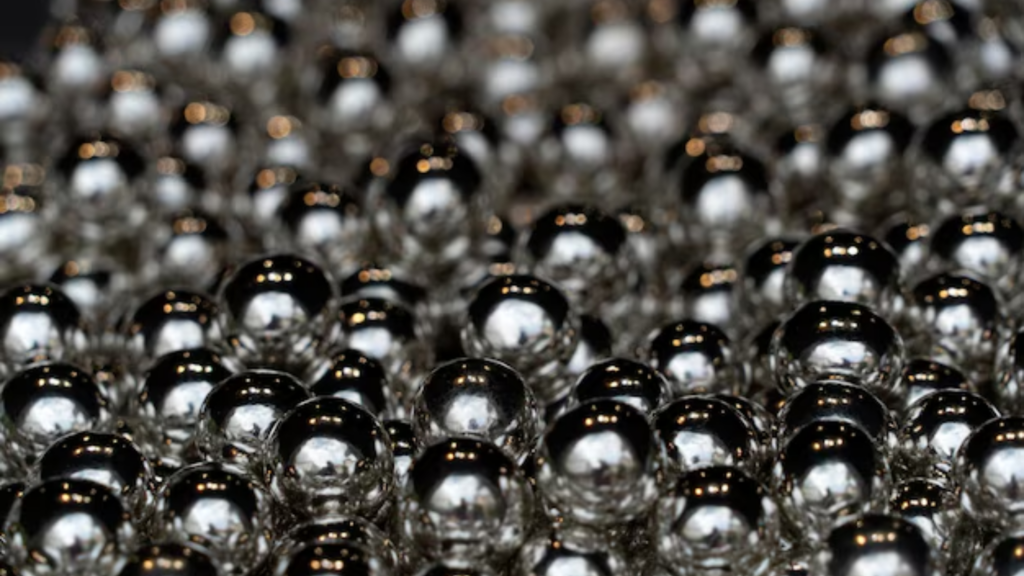
Modern industries depend on components that deliver exceptional accuracy and reliability. From aerospace systems to medical devices and automotive assemblies, even the smallest part plays a significant role in overall performance. One of those essential components is the precision ball. At Abbott Ball, manufacturing these highly accurate spheres involves advanced engineering, strict quality standards, and multiple precision-controlled processes. Understanding how a precision ball is made helps explain why these tiny components are trusted across demanding industries worldwide.
Why Does Precision Ball Manufacturing Matter?
Although a precision ball appears simple, manufacturing one requires remarkable precision. Every ball must meet exact specifications for size, roundness, hardness, and surface finish. Even microscopic imperfections can affect the performance of bearings, valves, pumps, and other precision equipment.
Industries rely on precision balls because they offer:
- Exceptional dimensional accuracy
- Smooth rotational performance
- Reduced friction
- Longer equipment life
- Consistent product reliability
These benefits are only possible through a carefully controlled manufacturing process.
Where Does the Manufacturing Process Begin?
The journey starts with selecting premium raw material. Material quality directly affects the finished product’s strength, durability, and accuracy.
Manufacturers commonly use:
- Carbon steel
- Chrome steel
- Stainless steel
- Brass
- Aluminum
- Titanium
- Ceramic materials
The choice depends on the application’s operating conditions, corrosion resistance requirements, and load capacity.
Step 1: Cutting Wire into Small Slugs
The first production stage begins with high-quality metal wire.
The wire passes through automated cutting machines that slice it into small cylindrical pieces called slugs. Each slug contains precisely the right amount of material required for the final ball size.
Accuracy during this stage is essential because inconsistent slug sizes can affect every process that follows.
Step 2: Cold Heading Creates the Rough Ball Shape
After cutting, the slugs enter a cold heading machine.
Cold heading compresses the metal between hardened dies using tremendous force. Instead of removing material, the machine reshapes it into a rough spherical form.
The newly formed balls still contain a thin ring of excess metal called flash around their center.
Although these rough balls are far from perfect, they now resemble the finished product enough to continue through precision manufacturing.
Step 3: Flash Removal Improves the Ball Shape
Once cold heading is complete, the flash must be removed.
The rough balls are placed between grooved cast iron plates that rotate against one another. During this process, the flash gradually wears away while the balls become rounder.
This operation significantly improves dimensional consistency before fine grinding begins.
The balls are continuously inspected to ensure they remain within production tolerances.
Step 4: Grinding Produces Accurate Dimensions
Grinding is one of the most important stages in how a precision ball is made.
The balls rotate continuously between hardened grinding plates while abrasive compounds remove tiny amounts of material.
Unlike ordinary machining, grinding focuses on producing exceptional roundness while maintaining precise diameter control.
The process continues until every ball approaches its target size with remarkable accuracy.
This stage determines much of the final product’s overall quality.
Step 5: Heat Treatment Strengthens the Metal
Many applications require balls capable of handling heavy loads and repeated stress.
Heat treatment improves hardness without sacrificing toughness.
The process generally involves carefully controlled heating followed by rapid cooling and tempering. This changes the internal grain structure of the metal, producing greater wear resistance and longer service life.
High-performance high precision ball bearings rely heavily on this enhanced material strength.
Step 6: Precision Lapping Creates a Mirror Finish
After heat treatment, the balls move into lapping machines.
Lapping is a fine finishing process that removes microscopic imperfections while polishing the surface.
Extremely fine abrasive compounds gradually produce:
- Superior roundness
- Mirror-like surface finish
- Exact dimensional accuracy
- Minimal surface roughness
The smoother the surface, the less friction develops during operation.
This stage allows precision metal balls to perform efficiently even in demanding industrial environments.
Step 7: Cleaning Removes Every Contaminant
Once polishing is complete, cleanliness becomes critical.
Manufacturers use ultrasonic cleaning systems along with specialized solvents to eliminate:
- Oil residue
- Metal particles
- Grinding compounds
- Dust
- Surface contaminants
Even tiny particles can affect performance in medical, aerospace, and semiconductor applications.
Every ball must leave the cleaning stage completely free of contamination.
Step 8: Inspection Ensures Consistent Quality
No manufacturing process is complete without extensive inspection.
Modern quality control laboratories use advanced measuring equipment capable of detecting extremely small variations.
Inspection typically verifies:
- Diameter accuracy
- Surface finish
- Roundness
- Hardness
- Material composition
Many manufacturers also perform statistical sampling along with 100% automated inspection depending on customer requirements.
This rigorous testing ensures every batch meets international quality standards.
What Materials Are Used for Precision Balls?
Different industries require different materials depending on their operating environment.
Stainless Steel
Stainless steel offers excellent corrosion resistance, making it ideal for food processing, medical equipment, and marine applications.
Chrome Steel
Chrome steel delivers exceptional hardness and wear resistance, making it one of the most common materials for high precision ball size.
Carbon Steel
Carbon steel provides an economical solution for general industrial applications where corrosion resistance is less critical.
Ceramic
Ceramic balls are lightweight, non-magnetic, and capable of operating under extreme temperatures.
Brass and Aluminum
These materials are commonly selected for specialized industrial equipment where weight or corrosion resistance is important.
Which Industries Use Precision Balls?
The demand for precision balls continues to grow across numerous industries because of their versatility and reliability.
Some of the largest users include automotive manufacturing, aerospace engineering, medical equipment, industrial machinery, electronics, pumps, valves, bicycles, defense systems, semiconductor production, and renewable energy equipment.
Each industry depends on precision manufacturing to achieve consistent product performance.
Why Is Roundness So Important?
Many people assume diameter is the only important measurement.
In reality, roundness is equally critical.
A ball that is only a few millionths of an inch out of round can create:
- Increased vibration
- Excess friction
- Faster bearing wear
- Reduced efficiency
- Shorter equipment lifespan
Maintaining nearly perfect spherical geometry is what separates ordinary metal balls from true precision metal balls.
How Does Automation Improve Manufacturing?
Today’s manufacturing facilities combine decades of craftsmanship with advanced automation.
Computer-controlled equipment improves consistency by monitoring:
- Machine pressure
- Grinding speed
- Material removal
- Temperature
- Surface quality
Automation also reduces human error while increasing production efficiency and repeatability.
Despite automation, experienced technicians remain essential for quality assurance and process optimization.
Choosing a Trusted Steel Ball Manufacturer
Selecting the right steel ball manufacturer is just as important as selecting the correct material.
A reliable manufacturer should provide consistent quality, advanced manufacturing capabilities, certified quality systems, comprehensive material options, and strict inspection procedures.
Working with an experienced manufacturer helps ensure every precision ball performs exactly as required for its intended application.
Conclusion
Understanding how a precision ball is made reveals the remarkable engineering behind one of the smallest yet most important industrial components. From carefully selected wire through cold heading, grinding, heat treatment, lapping, cleaning, and detailed inspection, every stage contributes to producing highly accurate spheres that support modern technology. Abbott Ball continues to uphold high manufacturing standards by delivering dependable precision solutions for industries that demand exceptional quality and performance.
Contact us today to learn more about our precision ball manufacturing capabilities and discover the right solution for your application.
Frequently Asked Questions
How accurate are precision balls?
High-quality precision balls can be manufactured with extremely tight tolerances, often measured in millionths of an inch, depending on the required grade and application.
What materials are commonly used to manufacture precision balls?
Common materials include chrome steel, stainless steel, carbon steel, brass, aluminum, titanium, and ceramic. The material is selected based on strength, corrosion resistance, and operating conditions.
What industries use precision balls?
Precision balls are widely used in automotive, aerospace, medical devices, electronics, industrial machinery, pumps, valves, bearings, and semiconductor manufacturing.
Why is surface finish important for precision balls?
A smoother surface reduces friction, minimizes wear, improves efficiency, and extends the service life of bearings and other moving components.
What is the difference between precision balls and standard steel balls?
Precision balls are manufactured to much tighter tolerances for diameter, roundness, hardness, and surface finish, making them suitable for high-performance applications where accuracy is critical.