
Steel Ball Lifecycle Management: Corrosion, Storage, and Maintenance
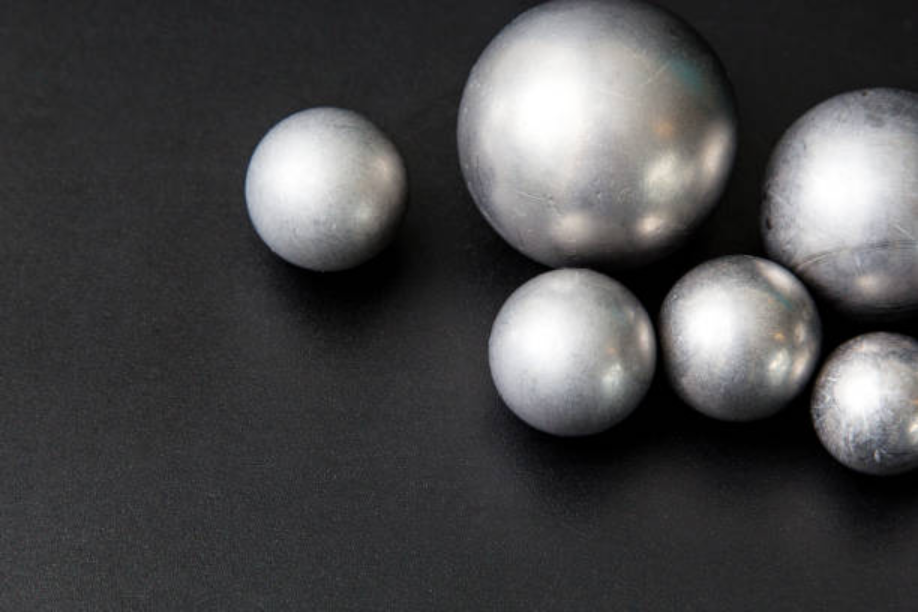
The longevity and reliability of industrial systems depend heavily on the health of their smallest moving parts. Precision spheres are vital components in modern machinery and mechanical assemblies, serving as the interface between stationary and moving surfaces. Their performance over time is not a matter of chance; it depends on a rigorous lifecycle management strategy that begins with initial material selection and extends through every stage of their service life. From the moment a shipment arrives at a facility, factors such as environmental exposure, mechanical stress, and chemical interactions begin to influence the component’s integrity.
Effective lifecycle management is a multifaceted discipline that helps maintain operational reliability while controlling long-term expenses. It requires a deep understanding of how different materials, such as carbon steel balls, brass balls, plastic balls, or aluminum balls, respond to specific stressors. By implementing standardized protocols for monitoring and upkeep, organizations can significantly reduce the risk of catastrophic system failure. This guide explores the essential pillars of lifecycle management, including rust prevention, proper storage methods, and the critical balance between maintenance cost vs initial investment to ensure peak performance in any application.
Understanding Steel Ball Lifecycle Management
Lifecycle management involves overseeing a component from initial procurement through installation, operation, and eventual replacement. Proper planning ensures that systems remain functional without unexpected interruptions.
Why Lifecycle Management Matters
Without a management plan, components may face premature wear. This leads to increased equipment downtime and higher repair costs. Proactive management extends the life of the part and improves the overall efficiency of the machinery. Effective planning also allows for better inventory control, ensuring that replacements are available before a critical failure occurs.
Applications of Carbon Steel Balls
These components are frequently used in various sectors due to their high strength and surface hardness. Common applications include:
- Bearings and motion systems: Providing smooth rotation in high-load environments.
- Hydraulic valves and flow control: Acting as check valves to prevent backflow.
- Industrial tooling and fixtures: Used in jigs for precise positioning.
- Material handling conveyance: Ensuring rollers and belts move with minimal friction.
Material Overview: Comparing Precision Ball Materials
Selecting the right material is the first step in optimizing the lifecycle of a mechanical system. Each material offers unique properties suited for different environments, impacting how long the part will last under stress.
Carbon Steel Balls
These are valued for their high hardness and load capacity. While they offer a lower initial cost, they require consistent protection against moisture to prevent surface degradation. They are the backbone of the heavy machinery industry.
Brass Balls
Brass components provide excellent corrosion resistance and non sparking properties. They are often utilized in electrical components or systems involving water and fuel. Their natural resistance to soft water and salt water makes them a stable choice for marine applications.
Plastic Balls
Plastic options are lightweight and offer chemical compatibility. They are ideal for clean environments like medical labs but are limited to low load applications compared to metal alternatives. They do not suffer from oxidation, which simplifies their storage requirements.
Aluminum Balls
These provide a low density solution with moderate strength. They are commonly selected for aerospace or automotive uses where weight savings are a priority. Their oxide layer provides a natural defense against the elements.
Corrosion Resistance and Environmental Impact
Corrosion is a primary factor that influences the longevity of metal spheres. Understanding how different materials react to their environment is essential for maintenance planning.
How Corrosion Affects Carbon Steel
When carbon steel is exposed to oxygen and moisture, rust begins to form on the surface. This oxidation leads to pitting, which increases friction and accelerates the wear process. If left unchecked, the structural integrity of the ball is compromised, leading to cracks or complete failure.
Comparative Corrosion Resistance Table
| Material Type | Corrosion Resistance |
Recommended Environment |
|
Carbon steel balls |
Low |
Dry or oil-lubricated systems |
|
Brass balls |
Moderate to High |
Marine or fluid-based systems |
|
Plastic balls |
Very High |
Chemical or medical exposure |
| Aluminum balls | High |
Humid or outdoor applications |
Rust Prevention and Proper Storage Methods
Prevention is often more cost effective than repair. Implementing correct storage and protection strategies can significantly extend the usable life of carbon steel components.
Protective Coatings
Applying a thin layer of oil or grease is a common method for rust prevention. Other treatments include phosphate or oxide coatings, which provide a barrier against atmospheric moisture during both transit and operation. These coatings should be inspected periodically to ensure they have not rubbed off or dried out.
Environmental Controls
Controlling the storage area is vital for lifecycle health. Components should be kept in temperature controlled environments with low humidity. Using vacuum sealed packaging or airtight containers helps maintain the integrity of the surface finish before the balls are installed. Even a small amount of condensation inside a container can ruin a batch of steel spheres.
Wear and Fatigue in Precision Spheres
Even with perfect lubrication, all spheres experience physical changes over time due to mechanical stress. Monitoring these changes is a core part of maintenance.
Identifying Types of Wear
Abrasive wear occurs when contaminants like dust or grit enter the system and scratch the surface. Adhesive wear happens when high pressure causes surface contact and material transfer between parts. Over time, these factors degrade the dimensional accuracy of the component, leading to loose tolerances.
Understanding Fatigue and Spalling
Fatigue is the result of repeated loading and unloading cycles. This stress can lead to micro cracks that eventually result in spalling, where small pieces of the surface flake away. Regular inspection helps catch these issues before they cause a total system failure.
Signs of Replacement and Performance Monitoring
Knowing when to replace a component prevents damage to more expensive parts of the machinery. Monitoring should be both visual and performance based.
Visual and Operational Indicators
Visual signs of failure include rust, discoloration, or visible surface cracks. Operationally, a system may exhibit increased noise, vibration, or a loss of precision. If a valve begins to leak or a bearing becomes loud, it is often a sign that the balls have reached the end of their service life. Ignoring these signs can lead to catastrophic failure of the entire machine assembly.
Maintenance Cost vs Initial Investment
Choosing a material involves a trade-off between the purchase price and the cost of keeping the part functional.
Evaluating Total Cost of Ownership
Carbon steel balls often have a lower purchase price, making them attractive for high volume needs. However, the ongoing cost of lubrication and rust prevention must be considered. In contrast, materials like brass or aluminum might have a higher initial cost but require less frequent maintenance in corrosive environments. Selecting the right material for the specific application leads to better financial outcomes over the entire life of the project.
Lifecycle Management Across Diverse Industries
Different sectors prioritize different aspects of ball performance based on their operational challenges.
- Aerospace: High focus on aluminum for weight reduction and corrosion resistance.
- Automotive: Uses carbon steel for heavy duty engine parts and brass for fuel system sensors.
- Medical: Relies on plastic balls for chemical resistance and non magnetic
- Industrial: Often uses carbon steel with advanced coatings to balance cost and durability.
Manufacturers like Abbott Ball offer a wide range of materials to meet these diverse lifecycle needs. Detailed specifications are also available.
Take Control of Your System’s Reliability
Effective lifecycle management ensures that your industrial systems operate at peak performance. By prioritizing corrosion resistance, utilizing proper storage methods, and conducting routine inspections, you can maximize the value and safety of your components. Whether you rely on the strength of carbon steel balls or the environmental durability of brass balls, understanding the balance of maintenance cost vs. initial investment is the key to long-term success.
Ready to secure high-quality components for your next project?
Contact Us today to discuss your specific requirements, or request a quote for precision spheres engineered to meet the highest industry standards. Our experts are here to help you select the right materials and management strategies to prevent costly failures and optimize your operations.
Frequently Asked Questions
How can rust be prevented during long-term storage?
Store components in a dry, temperature-controlled environment and use sealed containers. Applying a high-quality rust-preventive oil to carbon steel balls further protects against corrosion.
Are brass balls a better investment than carbon steel?
Brass balls perform better in wet or corrosive environments and often reduce maintenance costs. Carbon steel balls are preferred in dry, heavy-duty applications where high load capacity is required.
What are the primary indicators that a ball needs replacement?
Visible rust, surface pitting, or cracks signal the need for replacement. Increased noise, vibration, or reduced smoothness during operation also indicate wear or fatigue.
Do plastic balls require the same maintenance as metal balls?
Plastic balls do not rust and require minimal moisture control. However, they should be monitored for heat damage, chemical exposure, and surface wear.
How does fatigue affect the lifecycle of a steel ball?
Repeated mechanical stress causes internal cracks that can lead to surface flaking. Over time, this reduces system precision and may result in mechanical failure if not addressed.