
Why Hollow Brass Balls Are Ideal for Float Valves and Industrial Systems
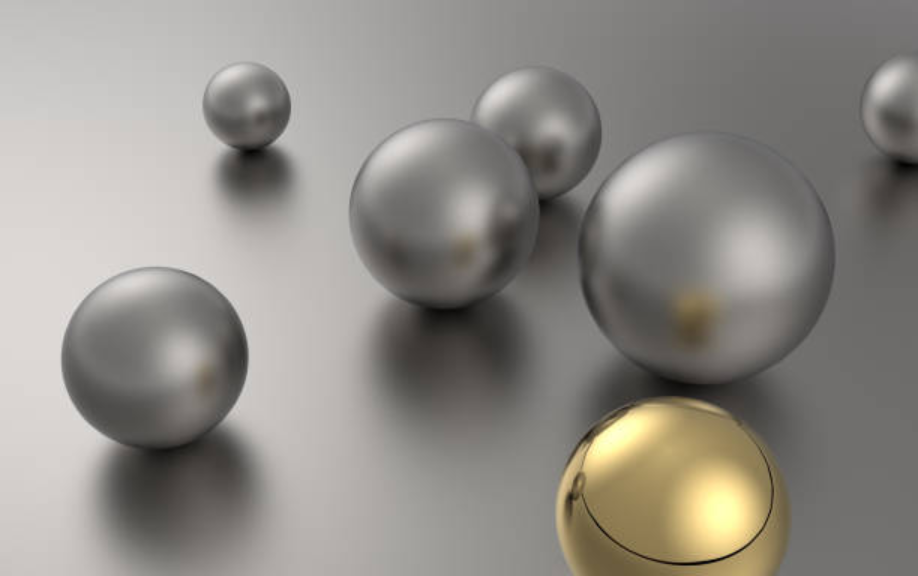
In the expansive landscape of fluid control and mechanical systems, specific components play a vital role in maintaining reliable, continuous operation. Among these critical elements, spherical metal components represent a pinnacle of engineering balance. These parts are frequently integrated into float valves and various complex industrial mechanisms where precise liquid level regulation is a necessity. By serving as the sensory and mechanical heart of float assemblies, they ensure that liquids are managed with accuracy and efficiency across diverse environments.
Despite their straightforward appearance, hollow brass balls are carefully engineered to provide essential buoyancy, resistance to environmental factors, and long-term durability. Their design allows them to move freely in response to changing liquid levels, enabling precise control within tanks, reservoirs, pumps, and water management systems. Manufacturers focusing on precision production prioritize creating consistent components that meet the exact requirements of modern infrastructure. Through highly controlled manufacturing processes and adherence to strict quality standards, these industry leaders supply brass float balls and other essential industrial brass components that support a wide range of global sectors.
Understanding Hollow Brass Balls
A hollow brass ball is a spherical component crafted from thin brass sheets or shells that are formed through specialized metalworking techniques and subsequently joined to create a sealed, airtight structure. Unlike solid metal spheres, which are designed primarily for load-bearing or impact applications, these components contain a hollow interior. This internal void significantly reduces their overall weight while maintaining the structural rigidity required to float in various liquids.
Key Engineering Characteristics
Because of this specific design, these balls are highly effective in systems where buoyancy is necessary to trigger mechanical movement or regulate fluid flow. Their primary benefits include:
- Superior Buoyancy: Designed specifically to displace liquid and float effectively, ensuring reliable triggering of valve mechanisms.
- Corrosion Resistance: Highly suitable for water-based environments, as the brass material offers natural protection against environmental degradation.
- Exceptional Durability: Built to withstand repeated mechanical movement over extended operational periods.
- Weight Efficiency: Lightweight construction ensures a rapid response to fluid changes, improving the overall sensitivity of the float valve system.
- High-Temperature Performance: The material retains its mechanical properties across a broad range of thermal conditions, making it versatile for various industrial settings.
These properties ensure that the components function effectively, providing a consistent interface between the mechanical valve and the liquid level within the containment system.
How Float Valves Operate
Float valves serve as mechanical devices that automatically regulate the level of liquid within a container, tank, or reservoir. They operate on a simple yet highly effective principle, opening or closing a valve based on the position of the float. This automatic regulation maintains fluid levels within specified operational parameters.
Basic Operating Principle
The mechanism relies on a buoyant object, the hollow brass ball, attached to a lever or arm. As the liquid level shifts, the float moves in synchrony. This movement activates a mechanical linkage, which in turn manages the inflow or outflow of the fluid. Brass float balls are favored in this mechanism because their lightweight design allows them to react almost instantly to changing liquid levels.
The movement cycle generally follows these logical steps:
- Fluid Flux: The liquid level in the tank rises or falls based on consumption or input.
- Dynamic Response: The float rises or falls, tracking the surface of the liquid.
- Mechanical Linkage: The motion of the float exerts pressure on the attached arm or valve stem.
- Flow Regulation: The valve opens to admit more fluid or closes to shut off the supply, maintaining the desired level.
This automatic process eliminates the need for manual intervention, making it a reliable solution for everything from residential cisterns to large-scale industrial reservoirs.
Why Brass Is an Ideal Material
Brass is widely utilized in industrial manufacturing due to its unique combination of strength, corrosion resistance, and excellent machinability. This copper-zinc alloy provides distinct advantages that make it superior for fluid control applications.
- Corrosion Resistance: Brass naturally resists oxidation and moisture, ensuring long-term structural integrity in water-based environments. This makes it a preferred material for plumbing and industrial machinery where components must remain durable over years of use.
- Mechanical Strength and Flexibility: The material offers a superior balance of durability and malleability. It withstands the stresses of repeated mechanical movement while allowing for the precise forming required for industrial brass components, ensuring systems remain reliable and efficient throughout their operational lifespan.
The Manufacturing Process
Producing these components requires precise forming techniques to ensure uniform spheres with strong, sealed seams and consistent wall thickness. The process must be executed with high accuracy to ensure that the internal void remains completely isolated from the environment.
|
Manufacturing Stage |
Purpose | Result |
|
Sheet Preparation |
Selecting and cutting brass material |
Proper raw material thickness |
|
Hemispheres Forming |
Pressing brass into half spheres |
Uniform shell shape |
|
Joining Shells |
Soldering or welding hemispheres |
Sealed hollow sphere |
|
Surface Finishing |
Polishing and smoothing |
Improved durability and finish |
| Leak Inspection | Quality assurance |
Air-tight and defect-free |
Each stage must be carefully controlled to ensure the final product performs reliably. Standardized production methods are essential to maintain consistency across large production volumes, ensuring that every unit meets the same performance standards.
Ensuring Structural Integrity
The joining of the two hemispheres is a critical phase. High-quality manufacturers use advanced soldering or welding techniques to create a bond that is as strong as the base metal itself. Following this, the sphere undergoes a polishing stage to ensure that the surface is smooth. A smooth surface is important because it reduces friction during mechanical movement and further enhances the corrosion-resistant properties of the component. You can explore more about these precision methods at Abbott Ball.
Applications in Industrial Systems
These components are used across numerous industries that require reliable liquid level management. The versatility of the brass ball allows it to be integrated into both simple and highly complex environments.
- Water Storage: Float valves in storage tanks rely on these balls to maintain specific water levels and prevent overflow, ensuring a steady supply for facility operations.
- Plumbing Systems: Residential and commercial plumbing units use these components to regulate water in cisterns, storage units, and pressure vessels.
- Industrial Processing: Many manufacturing processes involve controlled fluid storage and transfer where industrial brass components maintain accuracy during chemical handling or mixing.
- Agricultural Irrigation: Large irrigation reservoirs utilize float valves with these brass floats to automate water supply management, ensuring crops receive consistent moisture.
- Food and Beverage Processing: In systems where non-toxic and sanitary materials are required, brass provides a safe and reliable option for fluid level monitoring.
Technical Considerations and Material Science
Selecting the appropriate brass alloy is a vital step in the manufacturing process. Different brass alloys offer varying levels of resistance and strength, and the choice depends largely on the intended environment and the specific fluid being managed.
Alloy Selection
- Cartridge Brass: Offers excellent ductility and is ideal for deep-drawn components that require precise shaping.
- Naval Brass: Contains a small amount of tin, which significantly increases its resistance to seawater corrosion, making it excellent for marine applications.
- Free Machining Brass: Designed for applications that require rapid production cycles and high dimensional precision.
Design Factors: Shell Thickness
The thickness of the brass shell is a design variable that significantly influences the performance of the ball. Engineers must calculate the balance between shell thickness and buoyancy. A slightly thicker shell might provide additional resistance to external pressure in deep-tank applications, while a thinner shell might be chosen to maximize buoyancy in lower-density liquids. This precision engineering is what distinguishes high-quality industrial components.
Quality Standards in Industrial Brass Components
To ensure reliable and safe operation, industrial parts undergo rigorous quality control protocols.
- Dimensional Accuracy: Each component must meet precise diameter specifications to prevent binding or mechanical inefficiency. Manufacturers utilize advanced metrology to ensure every part adheres to strict tolerance zones.
- Leak Testing and Structural Integrity: Maintaining an airtight seal is critical for buoyancy. Through pressurized leak testing, manufacturers confirm that each sphere is fully sealed, as the integrity of these seams is the primary factor in the longevity and performance of the component.
Sustainability and Material Efficiency
The use of brass in modern manufacturing is supported by its sustainable nature. Brass is one of the most recyclable metals available. In an era where material efficiency and circular manufacturing are increasingly important, the ability to recycle brass components at the end of their service life makes them an environmentally conscious choice for industrial designers.
Furthermore, the design of hollow components inherently minimizes material usage. By replacing a solid core with an air pocket, manufacturers significantly reduce the amount of raw metal required per unit, lowering the carbon footprint of the production process while actually improving the functionality of the component for its specific task.
Optimize Your Mechanical Performance Today
Are you ready to elevate the reliability of your mechanical systems? A commitment to advanced engineering and rigorous quality control ensures that your project receives the highest standard of precision components. Whether you require standard carbon steel or specialized high precision solutions, experienced professionals are available to provide the technical documentation and expertise needed for success.
Contact experts today to discuss your application requirements and discover how advanced manufacturing capabilities can support your next innovation. For further technical documentation or to discuss specific application needs, please explore available technical resources.
Frequently Asked Questions
What are hollow brass balls used for?
Hollow brass balls are used in float valves to regulate liquid levels in tanks and storage systems. Their buoyant design allows them to move with fluid levels and activate valve mechanisms automatically.
Why are brass float balls preferred in water systems?
Brass float balls resist corrosion and perform well in water-based environments. Their durability and consistent buoyancy make them reliable for long-term fluid control systems.
What are industrial brass components?
Industrial brass components include parts such as valves, fittings, and floats used in machinery and fluid systems. These components are valued for their strength, corrosion resistance, and precise manufacturing.
How are hollow brass balls manufactured?
Hollow brass balls are formed by creating two brass hemispheres and joining them into a sealed sphere. The balls are then polished and tested to ensure proper buoyancy and structural integrity.
Where can technical information about brass float components be found?
Manufacturers typically provide material specifications and product details to help engineers select suitable components. These resources support proper selection for various industrial and fluid control applications.
Why is roundness critical for the performance of a float ball?
Roundness ensures smooth movement and proper contact within the valve mechanism. Poor roundness can cause uneven pressure, which may lead to wear or reduced performance in the system.