
Chrome Steel vs. Carbon Steel vs. Stainless Steel Balls: How Should Engineers Choose?
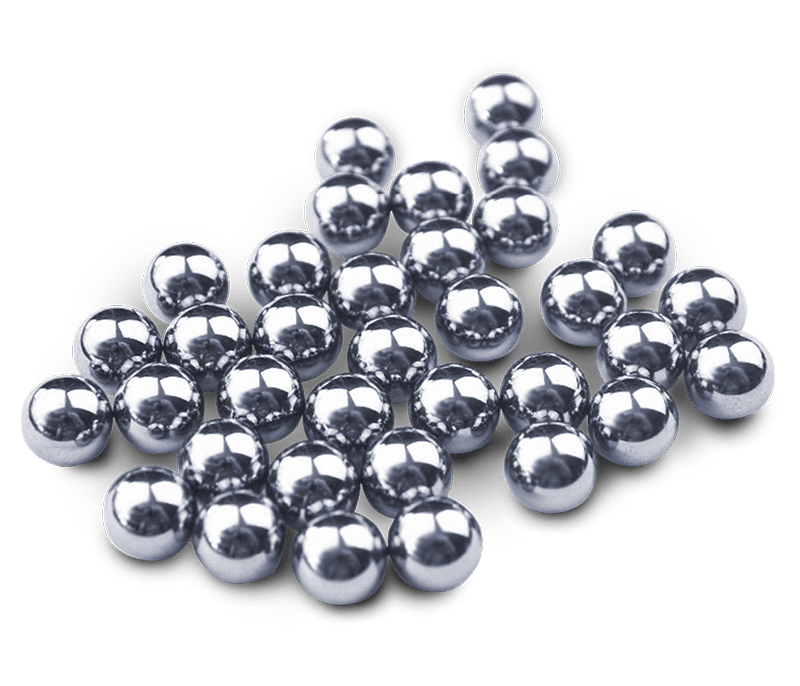
Selecting the right ball material can directly affect the reliability, service life, and performance of an industrial assembly. Chrome Steel vs. Carbon Steel is a common comparison for engineers, but stainless steel adds another important option when corrosion resistance is required. Abbott Ball supplies precision and industrial ball solutions designed around different material and application requirements, helping engineers evaluate properties such as hardness, wear resistance, corrosion resistance, and dimensional consistency.
Why Ball Material Matters in Engineering Applications
Before comparing individual materials, engineers need to understand why material selection matters. Balls can operate under rolling contact, high loads, repeated movement, abrasive conditions, moisture, or exposure to chemicals.
The material affects how a ball responds to these conditions and how long it can maintain its required characteristics.
Important considerations include:
- Hardness: Determines resistance to indentation and surface deformation.
- Wear resistance: Influences how well the ball maintains its surface during repeated contact.
- Corrosion resistance: Becomes critical in wet, chemical, or outdoor environments.
- Strength: Helps the ball withstand mechanical loading.
- Dimensional stability: Matters when consistent movement and close tolerances are required.
There is no universal material that is best for every application. Engineers should match the ball material to the operating environment and performance requirements.
Chrome Steel Balls: Hardness and Wear Resistance
Chrome steel is widely used when high hardness, durability, and reliable rolling performance are important. A common material for precision balls is 52100 chrome alloy steel, which is frequently associated with bearing and other demanding mechanical applications.
Chrome steel can be heat treated to achieve high hardness and is commonly selected for applications requiring good wear resistance and dimensional stability.
This makes chrome steel particularly useful for applications such as:
- Precision bearings
- Industrial machinery
- Ball screws
- Linear motion systems
- Pumps and valves
- Mechanical assemblies
Chrome steel is not intended for highly corrosive environments without additional protection. If moisture, chemicals, or corrosive media are major concerns, stainless steel may offer a more suitable solution.
Carbon Steel Balls: Practical Performance for General Applications
Carbon steel provides a practical option when an application does not require the high hardness or specialized corrosion resistance of other materials. Depending on the grade and processing method, carbon steel balls can provide useful strength and durability for numerous industrial applications.
When engineers search for carbon balls, it is important to identify the specific carbon steel grade rather than treating all carbon steel as the same material. Carbon content, heat treatment, manufacturing processes, and surface condition can all influence performance.
Carbon steel can be considered for applications where:
- General mechanical performance is required.
- Extreme corrosion resistance is not necessary.
- The operating environment is relatively controlled.
- Cost-effective material selection is a consideration.
- Specialized bearing-grade performance is not required.
For applications demanding tighter specifications, engineers should confirm the required hardness, tolerance, finish, and material grade before selecting carbon steel.
Stainless Steel Balls: When Corrosion Resistance Matters
Stainless steel introduces an important advantage: resistance to corrosion and oxidation in many environments. Different stainless grades have different levels of corrosion resistance, hardness, magnetic behavior, and mechanical performance.
For this reason, engineers looking for stainless steel balls for sale should first determine which stainless grade is appropriate for the application.
Stainless steel balls can be useful in environments involving:
- Moisture and humidity
- Food-processing equipment
- Chemical exposure
- Medical or laboratory equipment
- Marine environments
- Outdoor equipment
However, corrosion resistance varies significantly between stainless grades. A stainless ball should therefore be selected according to the actual environmental conditions rather than simply being specified as “stainless steel.”
Chrome Steel vs. Carbon Steel: Which Is Harder?
Hardness is one of the biggest differences engineers consider when comparing chrome and carbon steel. Properly heat-treated chrome bearing steel is designed to provide high hardness and excellent resistance to wear and deformation.
Carbon steel performance varies considerably depending on its grade and heat treatment. Some carbon steels can achieve substantial hardness, but not every carbon steel ball is intended for the same demanding bearing applications as 52100 chrome steel.
This makes chrome steel particularly attractive when the ball will experience repeated rolling contact or high mechanical loads.
For demanding precision applications, the exact material specification and heat treatment should always be verified rather than relying only on the general material category.
Comparing Wear Resistance and Service Performance
Wear resistance becomes especially important when balls remain in continuous contact with other components. Repeated rolling, sliding, or impact can gradually alter the ball’s surface and dimensions.
Chrome steel is generally a strong choice for applications where hardness and rolling-contact durability are priorities. Carbon steel can provide suitable performance for less demanding applications, while stainless steel may be preferred when corrosion resistance takes priority.
The correct selection depends on which type of degradation presents the greatest risk.
An engineer should consider whether the primary concern is:
- Abrasive wear
- Surface deformation
- Corrosion
- Impact
- Fatigue
- Dimensional change
Once the primary failure mechanism is understood, material selection becomes much more straightforward.
How Should Engineers Choose Between the Three Materials?
The right choice should be based on the complete operating environment rather than a single material characteristic. Engineers should consider the ball’s function, load, speed, environment, required tolerance, and expected service conditions.
A simple decision approach is:
Choose chrome steel when high hardness, wear resistance, and reliable rolling performance are major priorities.
Choose carbon steel when a general-purpose steel ball can satisfy the mechanical requirements and extreme hardness or corrosion resistance is not essential.
Choose stainless steel when exposure to moisture, chemicals, or corrosive environments makes corrosion resistance a primary requirement.
The application should always determine the material specification.
Understanding Chrome Steel Ball Bearings
For rotating assemblies, material selection can have a significant effect on bearing performance. Chrome steel ball bearings are widely used because hardened bearing steel provides a combination of hardness, strength, wear resistance, and dimensional stability.
The ball material must work together with the bearing races, lubrication system, operating speed, load, and environmental conditions. A highly hardened ball may be unnecessary for a low-load application, while a general-purpose ball may not provide sufficient durability for a demanding bearing assembly.
This is why engineers should evaluate the complete bearing design instead of selecting balls based only on material availability.
What Should Engineers Check Before Ordering?
Once a material has been selected, the next step is to define the complete ball specification. Material alone does not provide enough information for a precision application.
Engineers should confirm:
- Ball diameter and tolerance
- Material grade
- Hardness requirement
- Precision grade
- Surface finish
- Quantity
- Operating environment
- Applicable industry standard
For larger projects, weight and quantity calculations can also be important when planning inventory and handling requirements.
Useful resource: Chrome Steel Ball Weight Chart: Balls Per Pound by Size
Understanding the Role of a Ball Manufacturer
Choosing the correct material is only part of the sourcing process. The manufacturing quality, inspection process, dimensional consistency, and ability to meet the specified tolerance can be equally important.
When evaluating the abbott ball company or any other supplier, engineers should look for clear material specifications and manufacturing capabilities that align with the intended application.
A reliable specification should identify the material, diameter, tolerance, grade, and any other critical requirements. This reduces ambiguity and helps ensure that the supplied balls meet the engineering design.
Conclusion
Choosing among chrome steel, carbon steel, and stainless steel balls requires engineers to consider the complete application rather than focusing on one material property. Chrome steel is well suited to demanding rolling and wear applications, carbon steel can provide practical performance for suitable general-purpose uses, and stainless steel is often preferred when corrosion resistance is essential. Abbott Ball can help you evaluate material and precision requirements for your application and select an appropriate ball specification. Contact us to discuss your requirements and find the right ball material for your project.
Frequently Asked Questions
What is chrome steel used for?
Chrome steel is commonly used for bearings, precision balls, machinery components, and applications requiring high hardness and wear resistance.
Is chrome steel better than carbon steel?
Chrome steel can provide higher hardness and wear resistance than many general-purpose carbon steels, particularly when properly heat treated. However, the better material depends on the application’s requirements.
Is carbon steel good for ball bearings?
Certain carbon steel grades can be used for ball applications, but bearing systems often use specialized bearing steels because they provide the required combination of hardness, fatigue resistance, and dimensional stability.
Which steel is best for ball bearings?
Hardened bearing steels such as 52100 are widely used for ball bearings because they offer high hardness, wear resistance, and suitable fatigue performance. The appropriate material depends on the bearing design and operating conditions.
What is the difference between chrome steel and stainless steel?
Chrome steel is generally selected for hardness, wear resistance, and bearing performance, while stainless steel is often selected when corrosion resistance is a major requirement. Specific properties vary by grade.
Are stainless steel balls corrosion resistant?
Yes, stainless steel balls generally provide better corrosion resistance than conventional carbon and chrome steels, but the degree of resistance depends on the specific stainless steel grade and operating environment.
What is 52100 chrome steel?
52100 is a high-carbon chromium alloy steel commonly used in rolling-element bearings and precision ball applications because it can achieve high hardness and strong wear and fatigue resistance.